Southeast Asia Travel Guide 2026: Best Tips for First-Time Travelers
15 Apr 2026 Umesh Paneru

When most people say they want to experience a trip to Asia, they usually mean: I want to see ancient temples, eat authentic foods, meet friendly locals, and maybe lie on a beach without spending my life savings.
Here’s what travelling to Asia, specifically Southeast Asia, actually looks like for a first-timer: Less money than you’d spend on a weekend in New York. More variety of cultures, landscapes, and flavors than almost any other region on earth. Want jungle trekking and rooftop bars in the same week? Or silent temples at sunrise and lively night markets at 10PM? No matter what kind of experience you’re looking for, you’ll find it in Southeast Asia.
We have written this Southeast Asia travel guide after gaining experience from planning for & guiding hundreds of people across the SEA countries, after observing every mistake, solving every panic, and finding every shortcut along the way. In this guide, you’ll find clear, practical advice about where to go, where to start, how much money to bring, and the little mistakes that are easy to avoid once you know about them.
Let’s get you ready for a very enjoyable journey to Southeast Asia.
Best Places to Visit in Southeast Asia
Southeast Asia has so many beautiful places that it becomes too hard to choose where to go. From our experience of guiding first-timers through this region for years, we’ve seen the same mistakes: trying to cover too many places in two weeks. This plan will definitely exhaust you.
So, let’s make this simple. Below are the best places to go in Southeast Asia for first-timers, grouped by what kind of travelers you are. Pick whichever route resonates with you the most.
Thailand-Discover the Land of Smiles
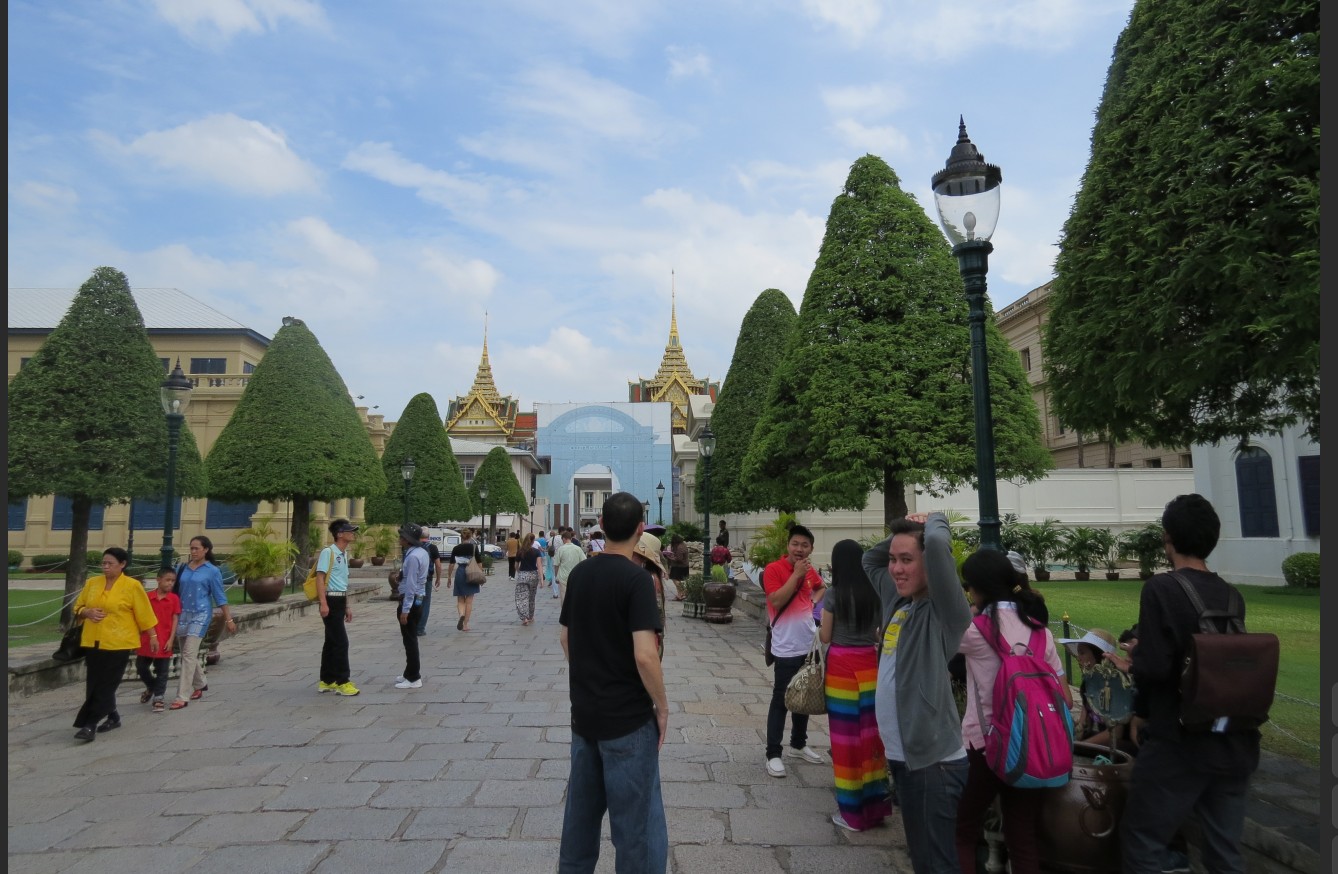
If you’re nervous about travelling to Asia for the first time, start from here. Thailand has had decades of experience in welcoming newcomers so that they feel relaxed while enjoying the beautiful land. There are reliable infrastructures everywhere. In most tourist areas, you’ll find English widely being used. The foods here taste amazing, yet cost a little, making them very popular, and rightfully so.
What you shouldn’t miss: Bangkok if you like chaotic, yet lively area, Chiang Mai for the beautiful temples and elephants viewing, either the southern islands (Krabi, Phuket) or the Gulf (Koh Samui, Koh Phangan) if you want to enjoy peaceful beaches.
How many days: 10-14 days minimum
Best for: First time solo travelers, and great for partners sharing a journey together. Also ideal for those who are nervous about facing new cultures in Southeast Asia.
Vietnam: Timeless Beauty, Endless Adventure
Vietnam feels like Thailand’s bolder, less-filtered cousin. Sure, it skips the polished look of Thailand, yet it wins the hearts of people anyway. You’ll find fresher foods, and wild landscapes, such as, Ha Long Bay’s jagged waters, Sapa’s green terraced fields carved into the mountains. Then there’s the humbling history of Vietnam.
Tip for first-timers: Walking into traffic in Hanoi feels a like special skill; it clicks after a while. The nation stretches far, so squeezing both northern and southern trips into one week? Not possible.
What you shouldn’t miss: Hanoi for its old quarter chaos, Ha Long Bay’s overnight cruise, Hoi An for a lantern-lit fairy tale experience, Ho Chi Minh City for its energy and learning about its war history.
How many days: Last stretch of the journey takes around two weeks, sometimes a bit more. Travelling from northern point, down through the southern ends lasts roughly 14 to 18 days. Some trips wrap up faster, while others take longer depending on pace.
Best for: Budget travelers who want authentic and delicious taste while saving cash. Also ideal for history enthusiasts as old stories linger on street corners.
Bali & Indonesia: Nature, Culture, Serenity
Bali gets the “overrated” tag by usually those who’ve visited there thrice. But for a first-timer, it’s magical. Step into the green rice terraces, sunrise painting the sky above the volcanoes, waves rolling gently towards learners on longboards, and overall a calm retreat that offers real peace and relief. In addition to that, their airport is well-connected, visas are easy, and almost everyone speaks English in tourist zones, making your trip here smoother and more fun.
The catch: Navigating through traffic in the south, like Canggu, Seminuak, and Kuta, can be genuinely hectic at times, so leaving extra minutes early on your clock might be a good idea.
What you shouldn’t miss: Ubud for its beautiful rice fields and famous yoga, Nusa Penida for its dramatic cliffs, Uluwatu for its clifftop temples, Gili Islands for its stunning beaches without cars.
How many days: For a solid intro of the city, you’ll need 8-12 days.
Best for: Folks who like clicking picturesque moments and sceneries, couples on their honeymoons, those chasing a balance between body and mind, and first-timers eager to catch waves for surfing.
Cambodia & Laos (Combo): For the Culture-Focused
Curious about a place that sticks in your mind? Then leave the shore behind and head toward the quieter roads instead. In Cambodia, there’s Angkor Wat, hard to believe exists until you stand beneath its stone towers. Laos offers slow river life, saffron-clad Buddhist monks walking at dawn, and absolute peace with zero rush.
The trade-off: Few comforts along the way as the infrastructure is rougher, travel by bus takes more time than expected. Still, with patience, you’ll find it worth the while.
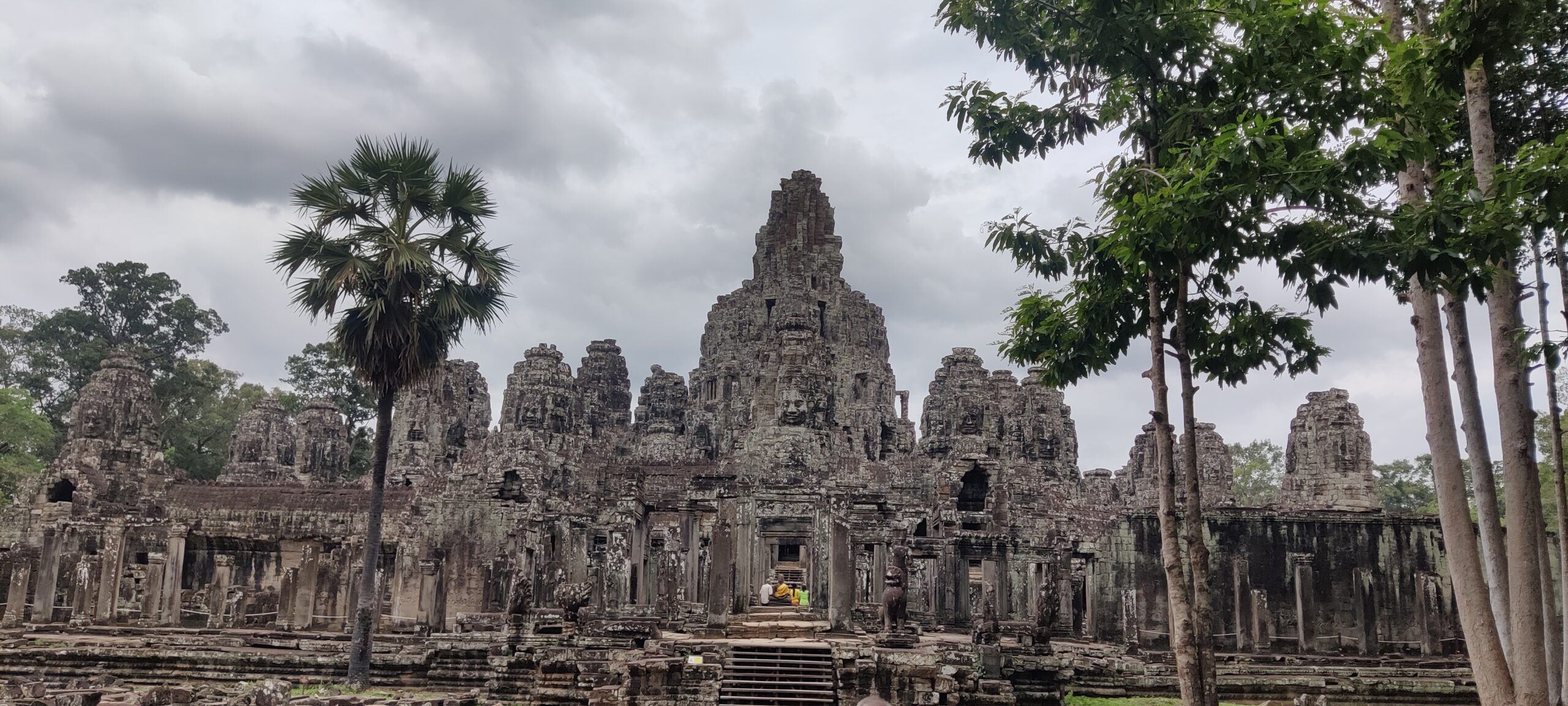
Don’t miss (Cambodia): Angkor Wat (give it two full days), Phnom Penh for its vast fields and history connected to the royal palace there, and Koh Rong for a beach break.
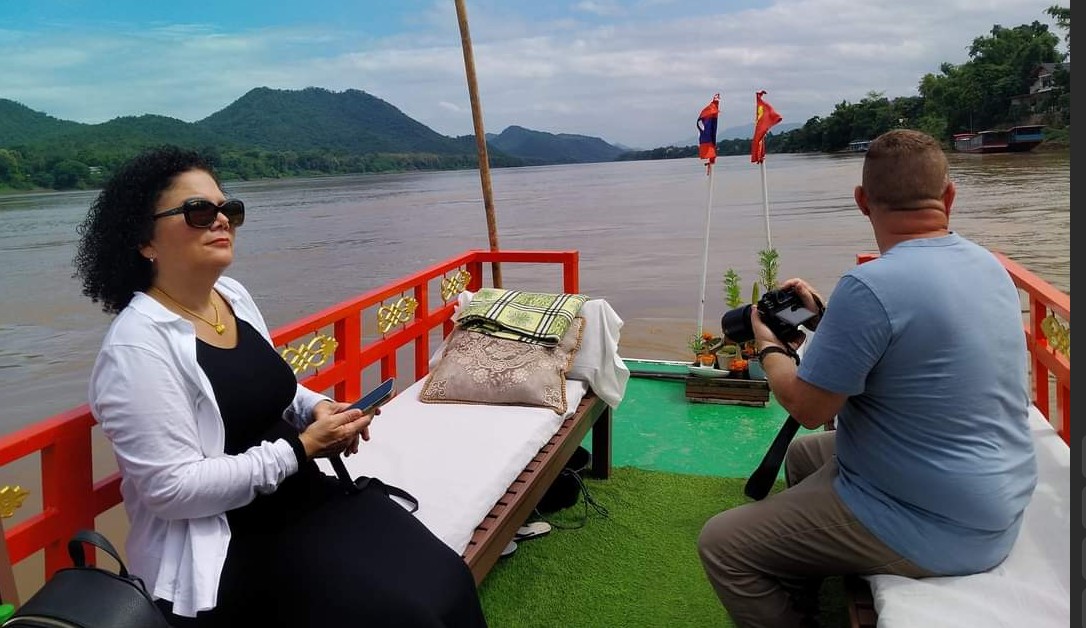
Don’t miss (Laos): Luang Prabang for the monk alms ceremony, Vang Vieng for the Karst Mountains, and the Mekong for the slow boat riding experience.
How many days: A couple of weeks covers it, roughly 14-18 days, for both countries.
Best for: History lovers, slow travelers, photographers, and backpackers planning to travel within budget.
Singapore & Malaysia: For the Short-on-Time First-Timer
Not everyone has three weeks off. When time runs short, and you only have seven to ten days, you can still taste Southeast Asia properly by following this route. You can get a high-tech, futuristic vibe in Singapore, with its flawlessly clean sidewalks and incredible hawker food. You can observe the colonial history of Malaysia and its misty tea fields and vibrant food markets, particularly on Penang, known for bold-flavored foods.
The truth: This route is on the higher price range, since Singapore is not cheap. But arriving in this country feels easier than anywhere else when stepping into Asia.
Don’t miss: Gardens by the Bay, Marina Bay, and hawker centers in Singapore, Petronas Towers, Batu Caves in Kuala Lumpur, and Georgetown’s street art & food in Penang.
How many days: 7-10 days are enough for a good experience.
Best for: First-timers who are nervous to travel and feeling unsure, great if you’re travelling with young kids, and for business travelers, who also act as a holiday.
Note on Myanmar:
We’ve intentionally left Myanmar out of our main recommendations due to ongoing political instability and travel advisories. For the safety and simplicity of first-timers, we recommend starting with the countries listed above. For more information on this, you can check out this Myanmar news portal’s page.
Which One Should You Pick?
Still unsure? Here is a cheat sheet to help you choose:
| If you want… | Choose… |
| Easy and reliable journey | Thailand |
| Drama and adventure | Vietnam |
| Beaches and yoga | Bali |
| History and wonder | Cambodia + Laos |
| Short trip + less shock | Singapore + Malaysia |
If you’re still in a dilemma about where to go, let our expert team of Asia Experiences help you plan a perfect itinerary for you. Additionally, you can learn more about the best travel routes for multi-country tours in South Asia and Southeast Asia here.
One piece of advice from experience: Do not try to combine Thailand, Vietnam, and Bali in one trip. Airports will take up half your time, and the other half will be taken up by fatigue. Instead, choose just one spot, maybe two neighboring ones. Leave the others for your second trip, because trust me, you’ll want one.
Common First-Timer Itinerary Mistakes (And How to Avoid Them)
After years of watching travelers make the same mistakes, here’s what we urge you not to do:
Mistake 1: Adding “just one more” stop
That overnight bus to catch Pai or Koh Rong? It will slow everything down. Every week you’re out there, leave one whole day open as a “do nothing” day.
Mistake 2: Booking every night in advance
Having the first 3-4 nights booked is smart. Some like to lock in plans too early for every day of the trip. That’s stressful. Leaving room helps when you want to spend some extra time somewhere you love.
Mistake 3: Not accounting for travel time
Bangkok to Chiang Mai by train is 12 hours. Siem Reap to Phnom Penh by bus is 6 hours. These are not “wasted time”; they are part of the trip, so mark each one clearly.
Mistake 4: Starting too aggressively
Not keeping space between landing and the first tour is the mistake that is bound to drain you early. It’s best to give yourself a day to let your body catch up with the environment and time zone of the area.
Best Time to Visit Southeast Asia: Weather Tips
Let’s tackle the question every first-timer or any traveler asks: when should I go there?
To answer honestly, there is no single “perfect” month for all of Southeast Asia. This region is huge, we’re talking 11 countries, multiple coastlines, and weather patterns that behave differently on the Andaman Sea side versus with the South China Sea side.
Below is a month-by-month look at Southeast Asia. You can find your travel window, and we’ll help you find where the weather works in your favor.
January – February (Peak Dry Season)
Best for: Thailand, Cambodia, Vietnam (central & south), Laos, Philippines, Singapore, Malaysia
This is the most popular and sweet spot for adventurers, and for good reason. Expect low rain, low humidity, high comfort. Sunny days with cooler nights, and perfect weather for getting out and exploring. The trade-off, though, would be crowded temples and premium prices. Book flights and accommodations at least two months ahead to counter the unnecessary hassles you may face later.
First-timer tip: Perfect for a Thailand-Cambodia-Vietnam loop.
March – April (Hot & Dusty)
Best for: Northern Vietnam (Hanoi, Ha Long Bay), Philippines (still good), Malaysia highlands (Cameron Highlands)
March and April are hot, can be about 35-40 degree Celsius in Thailand, Cambodia, and Laos. But don’t let the heat stop you as there are still plenty of things you can enjoy in this weather. If you don’t like crowds, then you’d like visiting in these months. Lower prices is a plus. If you don’t mind sweating through a temple visit, you’ll be rewarded with empty guesthouses and a peaceful journey.
Avoid: Southern Thailand (Phuket, Krabi) starts getting uncomfortable.
May (Shoulder Season)
Best for: Bali & Indonesia (dry season begins), Philippines, Vietnam (north and south)
May can be named as a transition month. The west coast of Thailand (Phuket, Krabi) sees rain starting, but Bali is just waking up to its dry season. This is a smart month for budget travelers who want decent weather without the January crowds.

June – August (Wet Season, West Coast)
Best for: Bali, Vietnam (north & central), Thailand’s Gulf islands (Koh Samui, Koh Phangan), Malaysia, Singapore.
Here’s where many first-timers get confused. “Wet season” doesn’t mean constant rain. You’ll get sunny mornings, afternoon showers (1-3 hours), and cleared-up evenings. The jungles are impossibly green, and hotel prices drop by half. Pack a light raincoat and embrace the tropical vibe!
Not ideal for: Phuket, Krabi, Koh Lanta; they get the heaviest rain at this time.
September – October (Rainiest Months, But Also Quietest)
Best for: Bali (still dry-ish), Northern Vietnam, Malaysia. Singapore
September is the wettest month for much of mainland Southeast Asia. October is only slightly better. But here’s the insider secret: this is the best time for photographers, solo travelers who hate crowds, and anyone who loves dramatic stormy skies.
Proceed with caution: The Philippines has typhoon risk. Check forecasts before booking.
November (Wet-to-Dry Transition)
Best for: Thailand (all coasts now improving), Cambodia, Laos, Vietnam (south), Myanmar
November is a hidden gem, to be honest. The rains are ending, the crowds haven’t arrived yet, and everything is freshly green. If you can travel in November, you’ve found the sweet spot between good weather and low prices.
December (Holiday Peak Season)
Best for: Almost everywhere except northern Vietnam (cold by local standards)
December is glorious, and expensive. Expect Christmas and New Year crowds from Khao San Road to Bali beach clubs. If you’re planning a December trip, lock in your itinerary by September.
Worth the hype? Yes. For first-timers especially. The festive atmosphere, perfect weather, and ease of travel make it a safe bet.
Quick Summary for the overwhelmed first-timer:
| If you’re travelling in… | Go here… |
| Jan – Feb | Thailand, Cambodia, Vietnam, Laos |
| Mar – Apr | Northern Vietnam. Philippines, Malaysia |
| May – Aug | Bali, Gulf of Thailand (Koh Samui) |
| Sep – Oct | Bali, Malaysia, Singapore (but expect rain) |
| Nov-Dec | Almost anywhere; peak season |
Top Things to Do in Southeast Asia
Guidebooks don’t always tell you that the best things to do in Southeast Asia aren’t always the famous ones. Below are the authentic experiences we recommend to every first-timer.
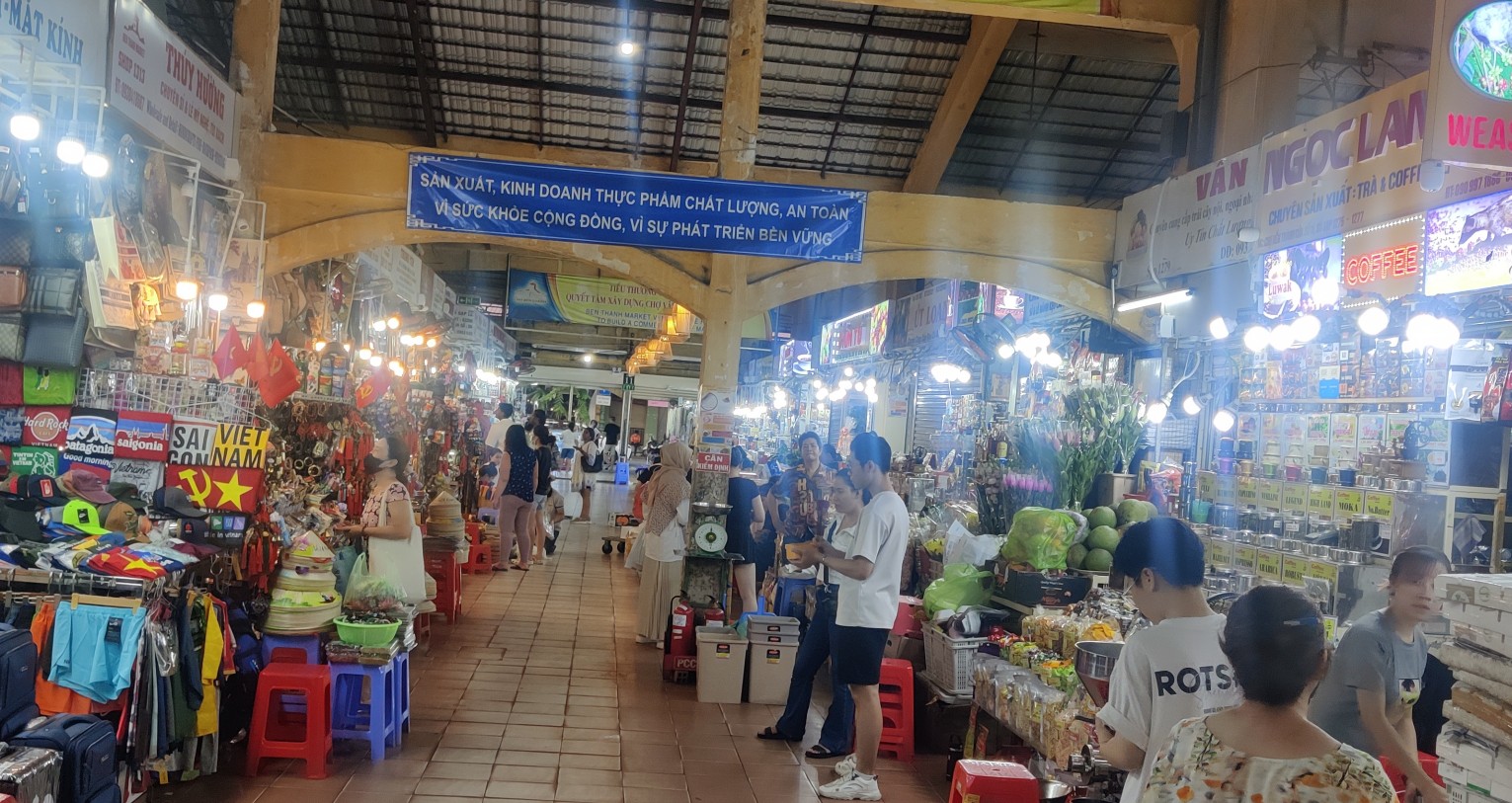
Explore the night market
Get a taste of where locals actually eat. In Thailand, that’s somewhere like Jodd Fairs (Bangkok) or the Sunday Night Market in Chiang Mai. In Vietnam, it’s the night market in Hanoi’s Old Quarter.
Temple hop without burning out
Explore the beautiful Buddhist temples, peaceful pagodas, and ancient ruins, and learn about their history and charm.
Walk through rice terraces
You can spend the day walking through the vast rice terraces, learning about water flows, and the importance of terrace farming in the hillsides.
Go swimming in nature
Finding water sources like waterfalls to swim in is a very fun idea. Hence, the famous ones that are beautiful are mostly crowded. Ask your guesthouse or guide for a “less busy” recommendation for a relaxing experience.
Visit an ethical elephant sanctuary
Read the rules and follow them while visiting the sanctuaries. Look for places where elephants roam freely and you observe from a distance. Elephant Nature Park in Chiang Mai is the gold standard.
Participate in beach and island adventures
You can swim, snorkel or relax on white sand beaches tucked between limestone cliffs or along quiet riversides like the popular Cambodian Koh Rong Sanloem Island. You can also rent a kayak or hire a private boat and enjoy your time on the water.
Go on food tours
Getting the authentic taste of the actual foods that locals eat is a fun way to dive into the local culture of that area. You can also take a cooking class that starts at the market. This will also help you build the skill to make the foods you like there.
Getting Around in Southeast Asia
Moving between countries and cities in SEA is easier than you think. There are multiple options available that make transportation very easy even for first-timers.
Overnight trains (Thailand, Vietnam, Malaysia): Save a night’s accommodation and wake up somewhere new. This is a comfortable and easy option to move from one place to another.
Sleeper buses: These are cheaper than trains but less comfortable. With reclining seats and beautiful, ever-changing scenery seen from the windows, this is a very good option to travel in SEA.
Minivans: These are fast and cheap means of getting around. But be prepared as they are cramped, fine for two to four-hour trips. We don’t recommend these for long distances.
Grab (Southeast Asia’s Uber): These work everywhere in SEA. They are cheaper than taxis but doesn’t allow haggling. You can pay through the app with cash or a card. Gojek is the alternative in Indonesia.
Tuk-tuks: Fun alternative for short trips, but a tad bit more expensive than taxi-hailing apps. A pro tip: Always agree on price before getting in to avoid any troubles in the future.
Local buses: These are cheap, yet can be confusing for many first-timers. Only ride this if you have enough time and patience.
A few things to keep in mind:
- The traffic is real. So always plan accordingly and keep some buffer time on your itinerary.
- Roads aren’t always smooth. Sometimes the rides might feel like forever.
- Don’t rent a scooter unless you have a valid motorcycle license and experience.
Budgeting for a Trip to SEA
Let’s address the question every first-timer actually wants to ask: how much money do I need to save?
The truth is that it depends upon multiple factors: season (peak vs low), how you book (DIY or tour agency), your itinerary (one country vs more), and your personal travel style.
What Actually Changes Your Budget the Most
Season
A hotel room that costs $40 in June might be $120 in January. Peak season (November-February) can double or triple accommodation costs. Low season (September-October) is the best time for budget travelers who don’t mind afternoon rain.
Tour Agency vs DIY
Booking through a tour agency is more expensive but removes stress, as they handle transport, accommodation, and activities. Going DIY is cheaper but requires more research and flexibility. As a first-timer, letting a trusted agency handle all the hassles of arranging these matters would be a wise option.
Itinerary Intensity
The more intense your itinerary is (i.e. the more activities there are), the more costly your trip is going to be. For example, island-hopping in Thailand (multiple ferries, speedboats) costs more per day than slow travel through Laos (one bus, cheap guesthouses). Your itinerary defines your trip cost and vice versa.

The Bottom Line
You don’t need a fortune to travel in Southeast Asia. Most first-timers over-budget and come home with money left over. But don’t under-budget either, as running out of cash in a foreign country is genuinely stressful. The overall budget required for your travel is flexible, as Southeast Asia is huge, with many options to choose from, whether it is places to visit or activities to try.
What to Pack for Hot, Humid & Rainy Weather
Packing for Southeast Asia is different and largely based on the country you visit and the season you choose. The weather here can be hot, sticky and also sudden downpours. Here is a guide to help you pack the right things so that you’re ready for any weather during your trip.
Clothing (Keep It Light and Quick-Dry)
Bring:
Lightweight, loose trousers or long skirts, shorts, short-sleeve shirts (breathable fabric), one long-sleeve light shirt or wrap, swimsuit, underwear and socks (quick-dry if possible)
Avoid:
Heavy jeans, heavy jackets or sweaters, expensive or irreplaceable fabrics
Footwear
Bring (You need two pairs maximum):
Sturdy sandals with a back strap, close-toed shoes (trainers or lightweight hiking shoes)
Avoid:
Heavy boots. You won’t need them unless you’re doing serious multi-day treks.
Rain & Sun Protection (Non-Negotiable)
For rain:
Bring a lightweight poncho or packable rain jacket. Umbrellas are fine but a poncho keeps your bag dry as well. Decathlon or Uniqlo has cheap, small ones.
For sun:
- High-SPF sunscreen (50+) is a must. (Bring one from home as sunscreen in Southeast Asia is often expensive or contains skin-whitening agents.)
- Bring a wide-brim hat to protect your ears and neck from the burn.
- Sunglasses are helpful (polarized if possible) to protect your eyes from the tropical sun.
Accessories That Save Your Trip
- A quick-dry travel towel is a must, but certain hostels and budget guesthouses often don’t provide them. (Cotton towels never dry in humidity).
- A reusable water bottle with a filter could be of huge help if you’re not buying bottled water. Tap water is not mostly drinkable in Southeast Asia. A filter bottle (like Grayl) saves plastic and money.
- Packing cubes can help a lot to handle your belongings so that they don’t become messy in humidity.
- Small padlocks can be useful for hostel lockers and overnight bus bags.
- Portable fan (USB rechargeable) is a big help when you have to sit in a 35-degree temperature with no breeze.
- A power bank is helpful for long bus rides and island ferries that rarely have outlets.
What You Can Buy There (Don’t Pack It)
Southeast Asia has excellent, cheap shopping. You can leave space for:
- Flip-flops are better and cheaper here.
- Loose elephant pants or harem pants (touristy, but comfortable)
- Rain ponchos are available everywhere for $1-2
- Bug sprays of local brands work better than international ones
One Final Packing Rule
Pack for one week. Do laundry there. It costs a few dollars and comes back folded.
Reconsider if you’re thinking of bringing a large suitcase. A backpack or a small rolling bag is more ideal because of uneven sidewalks, boat docks, and dirt roads not being suitable for big luggage.
Cultural etiquette: Temple Rules & Local Customs
An additional info: there are certain local customs that you have to keep in mind while travelling in Southeast Asia. But don’t worry much, as Southeast Asians are famously forgiving of confused tourists who mean well.
That said, a little effort goes a very long way. Learning these basics will change how people treat you.
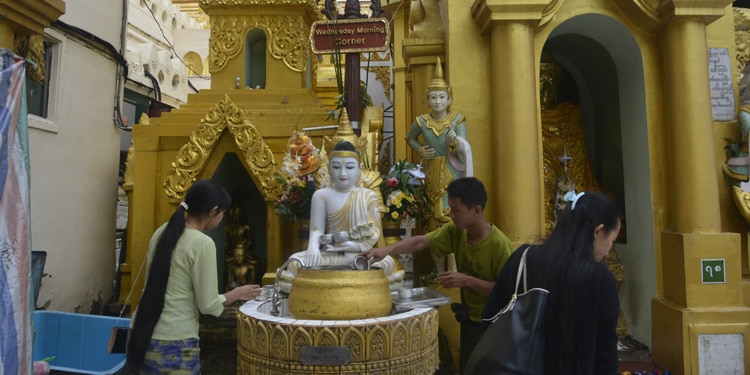
Temple Rules (Follow These Strictly)
- Cover your shoulders and knees (for both men and women, no exception)
- Remove shoes (look for the pile at the door or
- Don’t point feet at Buddha. You can sit with your feet tucked back.
- Don’t touch monks (women especially). You can hand items via a cloth or a table.
- Always speak quietly in the temples.
Greetings & Body Language
- The wai (palms together and slight bow). Return it if someone wais you first.
- Don’t touch others’ heads as they are sacred in most SEA cultures.
- Don’t point with feet or one finger. You can use your whole hand, palm up.
- Always use your right hand for passing money, food, or anything important.
Small Customs That Matter
- Always remove your shoes before entering homes.
- Avoid showing your anger in public. Losing your temper can make them lose respect for you.
- Always ask before photographing people.
- Don’t touch or climb on Buddha statues. Not even for a photo.
The golden rule is to watch what locals do, and then do that. Apologize briefly if you slip up. Effort matters more than perfection.
Ready? Southeast Asia is Waiting for You
You’ve read a lot of information. Weather, budgets, transportation. With this information, even as a first-timer, you don’t have to be worried.
The people are kind. The food is unforgettable. The chaos has a rhythm you’ll learn to love. And the version of you that returns home will be changed, carrying memorable experiences.
One Last Piece of Advice
After having guided many first-timers to successful Southeast Asia trips, we recommend you to not over-plan. Don’t be scared to try new things. And remember that the perfect trip doesn’t exist; it’s what you make of it.
Your final Checklist
- Passport valid for 6+ months
- Travel insurance (non-negotiable)
- Cash in USD for visa-on-arrival countries.
- Download offline maps and the Grab app
- One small bag you can carry anywhere easily
Southeast Asia has been welcoming first-timers for decades. Now it’s your turn. Let the experienced team of Asia Experiences guide you to your first unforgettable journey to the Southeast Asia countries. If you have any questions, feel free to contact us. We’ll be happy to help.
Asia Experiences (A product of Everest Vacation P. Ltd.), specializing in South Asia and Southeast Asia multi-country tours, offers diverse packages for all age groups. We have various options for tour packages for travelers seeking cultural, historical, spiritual, natural, or adventure tour experiences.
There is also flexibility in customizing the itineraries to your preferences. Some of our packages are as follows, which include both South Asia and Southeast Asian destinations: