Top Wildlife Destinations in Asia for 2027
20 Sep 2026 Anjali

Asia is home to diverse wildlife experiences that offer a vast range of ecosystems and biodiversity under one roof. Unlike traditional African safaris, Asia offers modern wildlife safari experiences like jungle treks, jeep safaris, and river cruises, along with cultural experiences. Open grasslands, vast rainforests, huge mangrove deltas, volcanic islands-there is a variety. Asia remains a top wildlife destination in 2027, offering a combined safari and nature-travel experience. The strong conservation efforts have made access for visitors much more trustworthy. One-horned Rhinos, Royal Bengal Tigers, Snow Leopards, Komodo Dragons, Przewalski’s horse, and other rare fauna make Asia a top wildlife destination for 2027. Below are our top wildlife destinations in Asia for 2027, which have their own uniqueness and offer visitors a deep insight into wildlife.
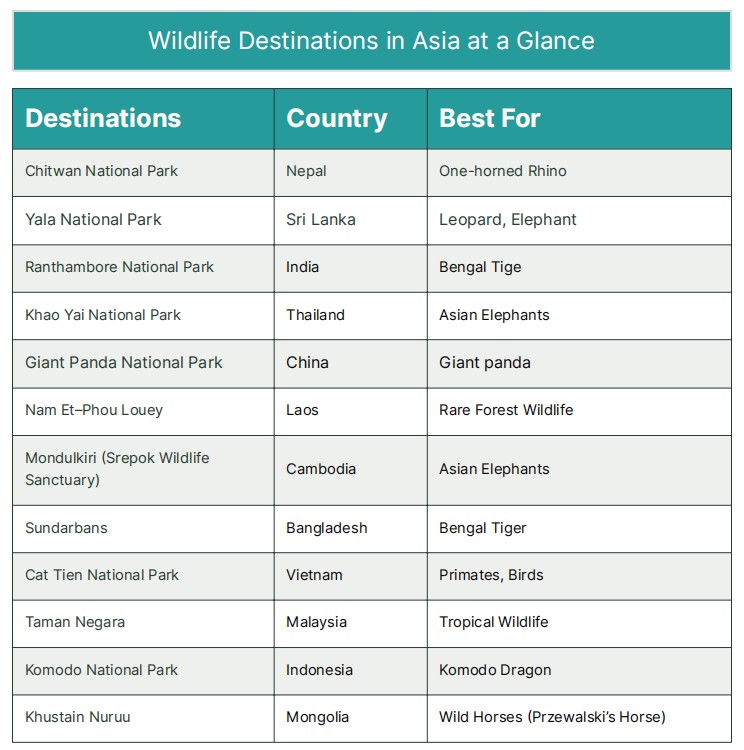
Chitwan National Park, Nepal
Chitwan National Park is Nepal’s first national park, which was listed as a UNESCO World Heritage Site in 1984. One-horned Rhinoceros, Bengal Tigers, Asian Elephants, Gharials, and diverse bird and flora species are the park’s specialties. Jeep safaris, short jungle treks, canoe rides, and breeding center visits are widely popular activities.
- Area: 952.63 sq. km
- Provinces: Bagmati, Madhesh, & Gandaki
- Setting: Central Terai (Chitwan, Makwanpur, Parsa, Nawalpur districts)
- Distance (from Kathmandu): 171 km
- Ideal Months: October to May
- Major Flora: Sal forest (Shorea robusta), riverine forests, and elephant grasslands
- Major Fauna: Bengal tiger, Greater One-Horned Rhinoceros, gharial crocodile, Asian elephant, and sloth bear
- Landmarks: Rapti & Narayani Rivers, Elephant Breeding Center, Bishazari Tal (oxbow lake system)
- Activities: Jeep safari, river canoe rides, jungle walking safaris, and Tharu cultural performances
- Entry Fee: Nepali – NPR 150 per person per day, SAARC nationals – NPR 1,000 per person per day, Foreigners – NPR 2,000 per person per day & Extra charge for additional activities
- Mode of Travel: Fly to Bharatpur Airport or Direct vehicle rides from Kathmandu to Chitwan National Park.
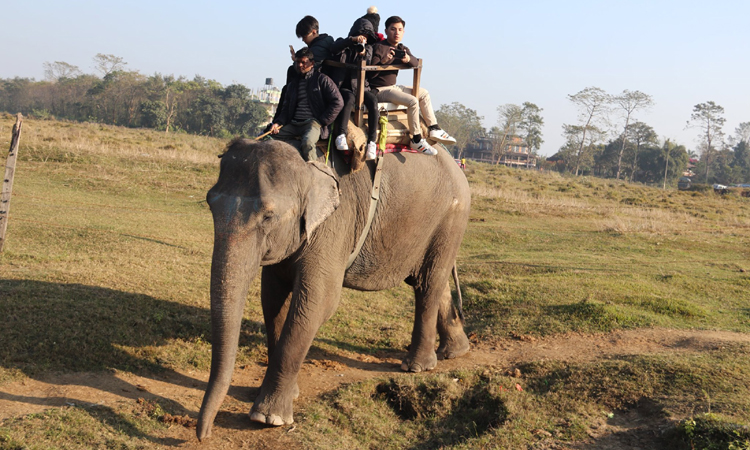
Yala National Park, Sri Lanka
Yala National Park was established as a sanctuary in 1900 AD, and it is not yet listed as a UNESCO World Heritage Site. The park is widely renowned for having the world’s highest leopard densities. Diverse bird species, sloth bears, and elephants along lagoons and forests attract many visitors. Jeep safaris are frequent in the morning and during the day for wildlife sightings. Block 1 is primarily considered a tourist zone.
- Area: 978.82 sq. km
- Established Year: 1938
- Provinces: Southern Province and Uva Province
- Setting: Southeastern Sri Lanka, bordering the Indian Ocean
- Distance: ~290 km southeast of Colombo; ~20 km from Tissamaharam
- Ideal Months: February to July
- Major Flora: Semi-arid thorny scrubland, dry monsoon forests, and coastal lagoons
- Major Fauna: Sri Lankan leopard (Panthera pardus kotiya—one of the world’s highest densities), Sri Lankan elephant, sloth bear, and mugger crocodile
- Landmarks: Elephant Rock, Sithulpawwa Ancient Rock Temple, and coastal sand dunes
- Activities: Morning and afternoon 4×4 jeep safaris, bird watching
- Entry Fee: USD 40 to 45 per person (plus jeep hire and service fees)
- Mode of Travel: Vehicle ride from Colombo/Galle via the Southern Expressway to Tissamaharama (nearest base).
Ranthambore National Park, India
Ranthambore National Park is well-renowned for its Bengal tigers that live in the dry deciduous forest surrounded by lakes and ruins. Not the national park, but the Ranthambore Fort inside the park was listed as a UNESCO World Heritage site in 2013. Guided jeep safaris mainly focus on sightseeing Bengal tigers, leopards, striped hyena, chital, and marsh crocodile. Several visitors love to take photos of the Bengal tigers.
- Area: 392 sq. km
- Established Year: 1980 (Project Tiger reserve in 1973)
- Provinces: Rajasthan (Sawai Madhopur district)
- Setting: Southeastern Rajasthan, intersection of the Vindhya and Aravalli hill ranges
- Distance: ~180 km from Jaipur; ~10 to 15 km from Sawai Madhopur
- Ideal Months: October to June; March to May (for tiger sightings)
- Major Flora: Dhok trees (Anogeissus pendula), ancient banyan trees, and dry deciduous forests
- Major Fauna: Bengal tiger, leopard, striped hyena, chital, and marsh crocodile
- Landmarks: 10th-century Ranthambore Fort, Padam Talao lake, Jogi Mahal
- Activities: Open-top Canter or Gypsy vehicle safaris, Photography
- Entry Fee: USD 12 to 22 depending on vehicle type
- Mode of Travel: Train to Sawai Madhopur Junction and travel by road
India Highlight Tour 9 Days
Guwahati, Shillong and Cherrapunji Tour 5 Days
Khao Yai National Park, Thailand
The first national park in Thailand is Khao Yai National Park. It was listed as part of the Dong Phayayen-Khao Yai Forest Complex World Heritage Site in 2005. This park offers distinctive experiences because of its evergreen forests and grasslands, night safaris, and waterfall trails. Asian elephants, gibbons, hornbills, tigers, and various fauna and bird species are found here.
- Area: 2,165 sq. km
- Established Year: 1962
- Provinces: Nakhon Ratchasima, Saraburi, Prachinburi, and Nakhon Nayok
- Setting: Sankamphaeng Mountain Range, Central/Northeastern Thailand
- Distance: ~180 km from Bangkok; ~25–30 km from Pak Chong
- Ideal Months: November to May
- Major Flora: Moist evergreen forest, tropical rainforest, and open grasslands
- Major Fauna: Asian elephant, white-handed gibbon, great hornbill, and gaur
- Landmarks: Haew Suwat Waterfall, Haew Narok Waterfall, Pha Diew Dai Viewpoint
- Activities: Hiking, night safaris, birdwatching, and waterfall trekking
- Entry Fee: USD 11 to 12 for adult foreigners
- Mode of Travel: Minivan/bus or train to Pak Chong from Bangkok, then by local vehicle into the park.
Giant Panda National Park, China
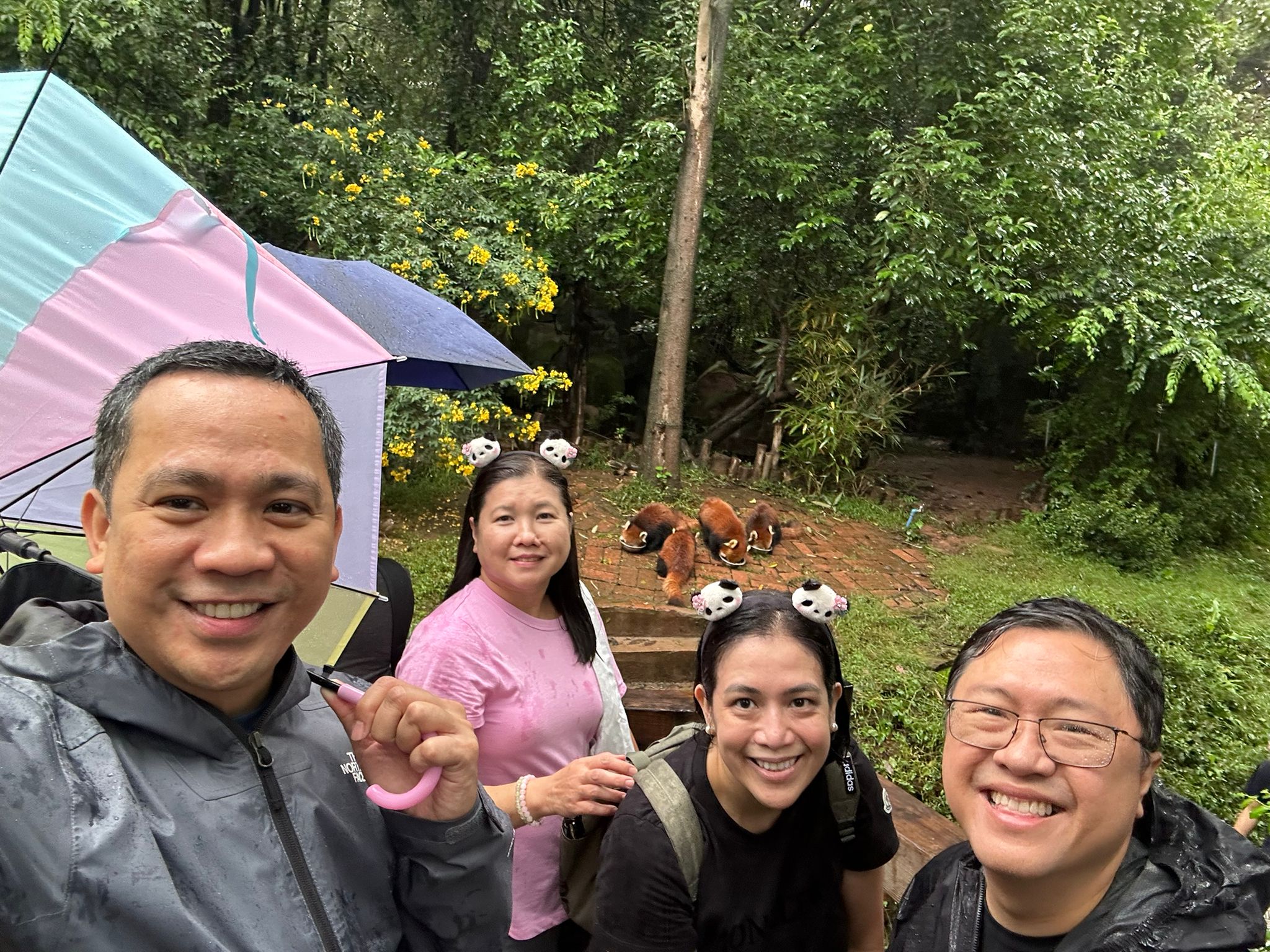
Sichuan Giant Panda National Park is widely renowned for its Giant Pandas. Major sections were listed as a UNESCO World Heritage site in 2006. Besides Giant Pandas, iconic birds like Pheasants, Crested Ibises, and animals like Red Pandas and Takins are also found. The safeguarding of the existence of the Giant Pandas is the main goal of this park.
- Area: 27,134 sq. km
- Established Year: 2021
- Provinces: Sichuan, Shaanxi, and Gansu
- Setting: Mountain ranges of Southwest China (Minshan, Qionglai, Daba, and Qinling ranges)
- Distance: approx. 60 to 150 km, mainly from Chengdu, Sichuan
- Ideal Months: March to May; October to November
- Major Flora: Subtropical mountain forests, rhododendron thickets, wild bamboo forests (Fargesia species)
- Major Fauna: Wild Giant Panda, Red Panda, Golden Snub-nosed Monkey, Takin, and Crested Ibis
- Landmarks: Tangjiahe Nature Reserve, Wolong Panda Reserve, Baoxing Valley, Jiuzhaigou edge zones
- Activities: Guided ecological hikes, panda tracking tours, bird watching, cultural visits to Tibetan/Qiang villages
- Entry Fee: Varies by specific zone/reserve within the park (approx. USD 7 to 17)
- Mode of Travel: Flight to, High-speed rail, or highway drive from Chengdu and travel by road.
Nam Et–Phou Louey National Park, Laos
Community-based wildlife adventure, along with nocturnal wildlife experience, sets this national park apart from others. It is titled as a National Protected Area but is not yet on the list of UNESCO World Heritage Sites. Overnight camping and camera-trap trails offer an authentic experience. Indochinese tigers, clouded leopards, and Asian elephants are prime highlights.
- Area: 4, 107 sq. km
- Established Year: 1993
- Provinces: Houaphanh, Luang Prabang, and Xieng Khouang
- Setting: Northern mountainous region of Laos
- Distance: approx. 200 to 300 km northeast of Luang Prabang
- Ideal Months: November to April
- Major Flora: Cloud forests, mossy montane evergreen forests, and bamboo thickets
- Major Fauna: Clouded leopard, Asian golden cat, gaur, sambar deer, and white-cheeked crested gibbon
- Landmarks: Phou Louey mountain peak 2,257 m, Nam Nern River valley
- Activities: “Night Safari” boat tour, multi-day jungle trekking, wildlife tracking, and eco-lodge camping
- Entry Fee: (approx. USD 150 to 350) Varies by ecotourism packages and tour duration)
- Mode of Travel: Local or private vehicle from Luang Prabang or Phonsavan to the park.
Mondulkiri Protected Forest (Srepok Wildlife Sanctuary), Cambodia
Mondulkiri Protected Forest is incorporated into the Srepok Wildlife Sanctuary network. The Elephant-friendly community programs and guided treks emphasize conservation progress. Asian elephants, Gaur, and Tigers are found in the vicinity of rolling hills and dry forest. It is not officially listed but is tentatively listed under a UNESCO World Heritage Site.
- Area: approx. 4,000+ sq.km
- Established Year: 2002 (Redesignated in 2016)
- Provinces: Mondulkiri Province
- Setting: Eastern Plains Landscape of Cambodia, near the border with Vietnam
- Distance: ~370 km from Phnom Penh; ~10 to 20 km from Sen Monorom
- Ideal Months: November to May
- Major Flora: Dry deciduous dipterocarp forest, open pine savanna, and riverine woodlands
- Major Fauna: Banteng (wild cattle), Eld’s deer, Asian elephant, leopard, and white-shouldered ibis
- Landmarks: Srepok River basin, elephant sanctuaries near Sen Monorom
- Activities: Wildlife tracking treks, bird watching, community-based ecotourism hikes
- Entry Fee: approx. USD 10 to 20 as community conservation fees
- Mode of Travel: Vehicle from Phnom Penh to Sen Monorom, then 4WD transfer to the sanctuary border.
Sundarbans, Bangladesh
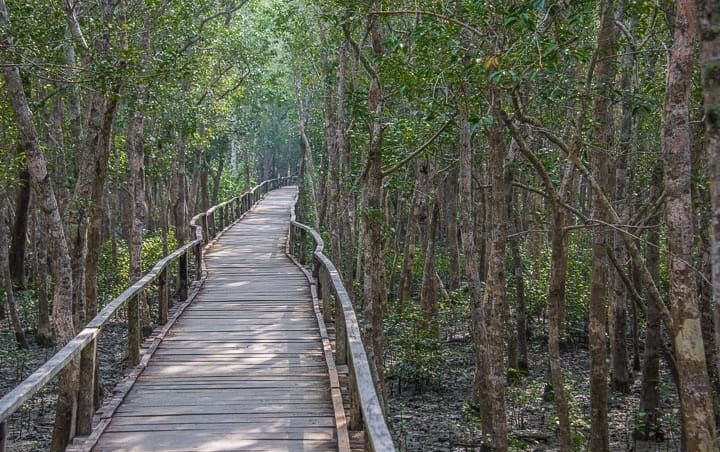
Sundarbans are globally well-known for their huge mangroves in the Ganges- Brahmaputra deltas. In 1997, it was listed as a UNESCO World Heritage Site. An authentic boat-based safari destination that is highly recognized for its successful Tiger conservation. Bengal tigers, saltwater crocodiles, unique aquatic wildlife, and diverse ecosystem and biodiveristy lures he visitors.
- Area: approx. 5,771 sq. km (Bangladeshi delta portion)
- Established Year: 1960 (Forest reserve); 1997 (acknowledged wildlife sanctuaries)
- Provinces: Khulna Division (Bagerhat, Khulna, and Satkhira)
- Setting: Ganges-Brahmaputra-Meghna delta, southwestern coastal Bangladesh
- Distance: approx. 300 km southwest of Dhaka
- Ideal Months: November to April
- Major Flora: Mangrove species: Sundari (Heritiera fomes), Gewa (Excoecaria agallocha), and Nipa palm
- Major Fauna: Royal Bengal Tiger, Gangetic dolphin, saltwater crocodile, spotted deer, and wild boar
- Landmarks: Katka Beach, Kochikhali, Dublar Char island, Harbaria Eco Center
- Activities: Multi-day boat cruise safaris, small-boat creek exploration, and watchtower wildlife monitoring
- Entry Fee: approx. USD 13 + (guide fees, boat permits, and camera fees)
- Mode of Travel: Train or bus ride from Dhaka to Khulna/Mongla, followed by a multi-day boat ride tour
Cat Tien National Park, Vietnam
Cat Tien National Park is popular for its richest lowland forests and biodiversity. It was formed by combining Nam Cat Tien, Tay Cat Tien, and Cat Loc reserves. In 2001, it was designated as a UNESCO Biosphere Reserve. Night camps and boat trips on the Dong Nai River are the special attractions of this park. Gibbons, Siamese crocodiles, and rare primates fascinate visitors.
- Area: 719.2 sq. km
- Established Year: 1992
- Provinces: Dong Nai, Lam Dong, and Binh Phuoc
- Setting: Southern Vietnam lowlands
- Distance: approx. 150 km northeast of Ho Chi Minh City
- Ideal Months: December to May
- Major Flora: Tung tree (Tetrameles nudiflora), Bang Lang (Lagerstroemia calyculata), giant bamboo stands
- Major Fauna: Yellow-cheeked gibbon, black-shanked douc langur, gaur, Siamese crocodile
- Landmarks: Bau Sau (Crocodile Lake), Dao Tien Endangered Primate Species Centre, Uncle Dong Trail
- Activities: Crocodile Lake trekking, night open-top jeep safaris, cycling trails, and primate spotting
- Entry Fee: USD 2.50 entrance fee and extra for other activities
- Mode of Travel: Vehicle ride from Ho Chi Minh City to Tan Phu
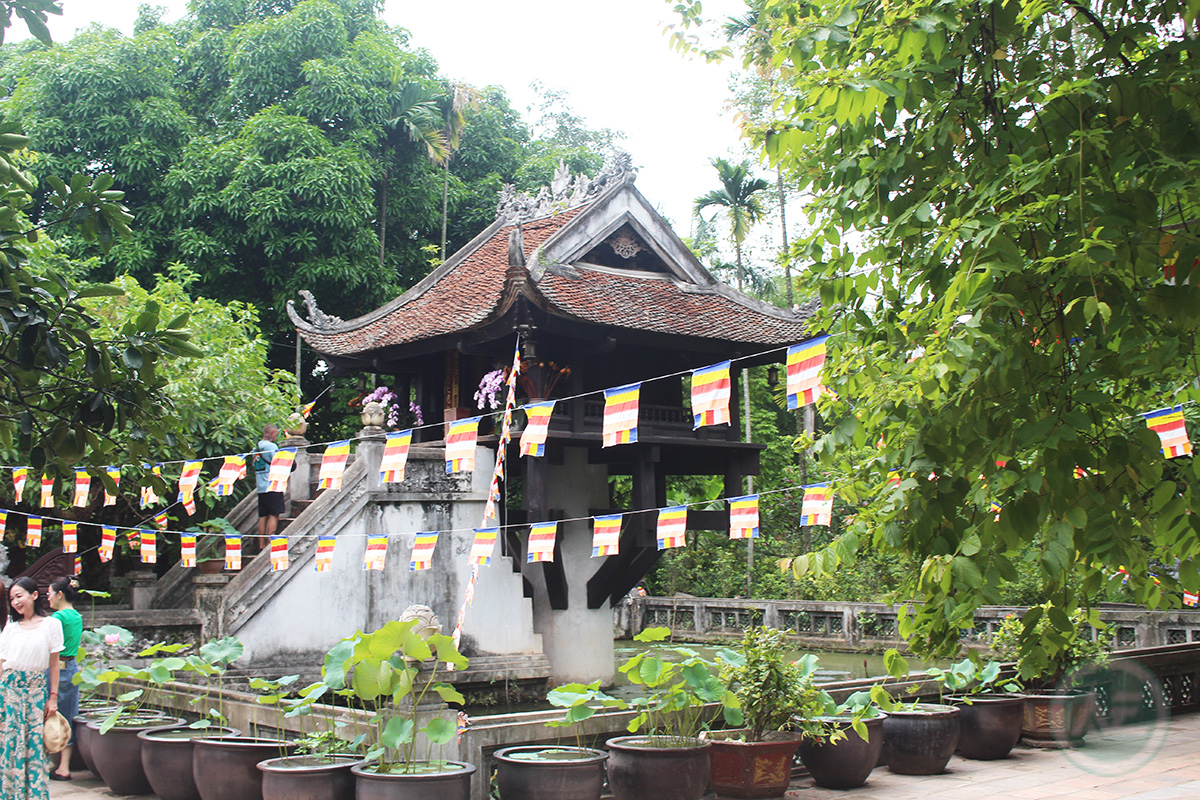
Vietnam Cambodia Thailand Nepal Tour 16 Days
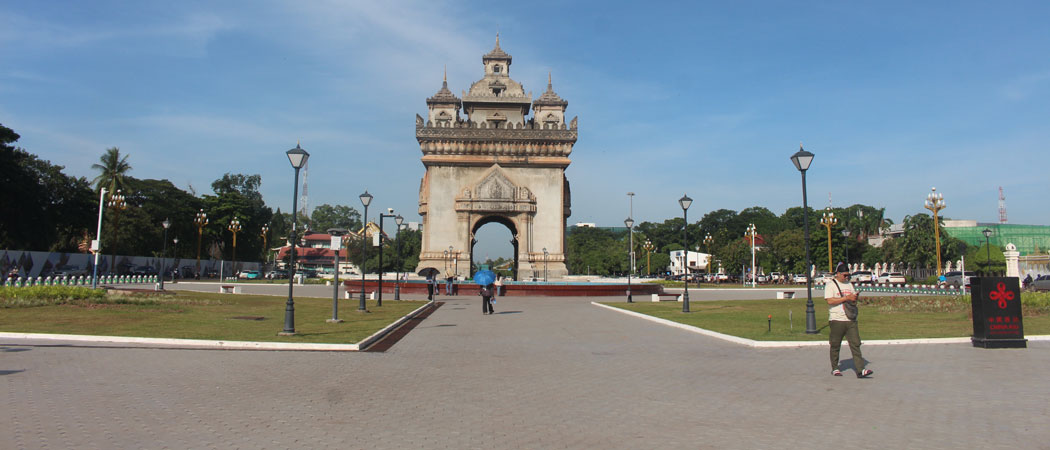
Thailand Cambodia Vietnam and Laos Tours 19 Days
Taman Negara, Malaysia
One of the world’s oldest deciduous rainforests is in Taman Negara. It is tentatively listed under the UNESCO World Heritage Sites. Visitors can enjoy canopy walks, boat cruises, village visits, and multi-day treks in the vicinity of the primary jungle. Asian elephants, Tigers, birds, and insect species are found in this park.
- Area: 4,343 sq. km
- Established Year: 1938–1939
- Provinces: Pahang, Kelantan, and Terengganu
- Setting: Titiwangsa Mountains, central Peninsular Malaysia
- Distance: approx. 240 km northeast of Kuala Lumpur
- Ideal Months: February to September
- Major Flora: Ancient lowland rainforest (over 130 million years old), giant tualang trees, Rafflesia flowers
- Major Fauna: Malayan tiger, Asian elephant, Malayan tapir, sun bear, and Great Argus pheasant
- Landmarks: Canopy Walkway, Gunung Tahan peak (2,187 m), Gua Telinga caves, Lata Berkoh rapids
- Activities: Canopy walking, boat cruises, night jungle walks, rapid shooting, and indigenous Orang Asli village visits
- Entry Fee: approx. USD 0.22 and extra cost for a camera
- Mode of Travel: Vehicle ride from Kuala Lumpur to Kuala Tembeling, then boat ride to Kuala Tahan.
Komodo National Park, Indonesia
Komodo National Park in Indonesia is the only place to Eyewitness Komodo Dragons in the world. In the surroundings of volcanic islands and coral reefs, see the Komodo Dragons walking freely in the wild. It was listed as a UNESCO World Heritage Site in 1991. Truly an enriching experience through guided tours and snorkeling activities to explore the land and marine wildlife. Manta Ray, Timor Deer are other major attractions.
- Area: 1,7332 sq. km
- Established Year: 1980
- Provinces: East Nusa Tenggara (Sunda Islands)
- Setting: Wallacea region between Flores and Sumbawa islands
- Distance: approx. 450 km east of Bali
- Ideal Months: April to June; September to November
- Major Flora: Savannah woodlands, lontar palms (Borassus flabellifer), and mangrove coastal strips
- Major Fauna: Komodo dragon (Varanus komodoensis), manta ray, Timor deer, and Dugong
- Landmarks: Padar Island viewpoint, Pink Beach, Komodo Island, Rinca Island
- Activities: Ranger-guided dragon treks, scuba diving, snorkeling with manta rays, and island hopping
- Entry Fee: approx. USD 20 to 26 plus ranger guide fees
- Mode of Travel: Flight to Labuan Bajo from Bali, followed by a boat ride
Khustain Nuruu National Park, Mongolia
Khustain Nuruu National Park in Mongolia is the right place to see Przewalski’s horses (takhi) beside wolves, deer, and rich bird species. The park is surrounded by open steppe and forested hills showcasing Mongolia’s iconic grassland ecosystem. It was listed as a UNESCO Biosphere Reserve in 2002. Horseback and vehicle tours take you through the natural beauty of the park. The reintroduction and conservation of the Przewalski’s horse is commendable
- Area: 506 sq. km
- Established Year: 1993 (National Park status in 1998)
- Provinces: Töv Province
- Setting: Khentii Mountain foothills, central Mongolia
- Distance: approx. 100 km west of Ulaanbaatar
- Ideal Months: May to September
- Major Flora: Feather-grass steppe, birch forests, mountain meadow flora (edelweiss, buttercups)
- Major Fauna: Takhi / Przewalski’s horse (only true wild horse species), red deer, Siberian marmot, Argali sheep, and grey wolf
- Landmarks: Ancient Ungut Turkic stone monuments, Tuul River valley, Moilt camp
- Activities: Wild horse safari drives, horseback riding, birding, and nomadic get camp stays
- Entry Fee: approx. USD 9 + guide and camp charges
- Mode of Travel: 2-hour drive by 4WD vehicle tour
The top wildlife destinations in Asia offer impressive sites of wildlife and big cats, unique endangered and rare species, and amazing ecosystems and biodiversity. Komodo Dragons, Giant Pandas, Royal Bengal Tigers, Asian Elephants, and diverse birds and flora- visitors can cherish all these within Asia’s parks and sanctuaries. Not only wild flora and fauna, but the rich ecosystem and biodiversity make Asia a perfect top wildlife destination for 2027.
Essential Guidelines for a Safe and Enjoyable Wildlife Tour
Wildlife and safari tours in Asia’s national parks and sanctuaries offer cherished memories of encountering wild flora and fauna, including endangered species. However, following the guidelines strictly for a safe and enjoyable wildlife tour is essential and is as follows:
1. Travel with only licensed agencies and guides
Wildlife safari tours with licensed agencies and guides help ensure visitors’ safety, as they operate under strict regulations. If possible, choose agencies that contribute to a sustainable environment.
2. Strictly follow the park rules and guide instructions
Nature is home to wildlife, so it is important to follow park rules and your guide’s instructions.
3. Maintain a safe distance from wildlife
Maintain a safe distance from wildlife, as sudden noises can aggravate them. Also, while taking photographs, never try to go nearer.
4. Wear comfortable and neutral shades of clothing
Wear comfortable and neutral shades of clothing such as khaki, greens, or browns. Avoid strong perfumes, heavy accessories, and bright colors, as they may fascinate animals and may irritate them.
5. Bring insect repellent, a sun protection kit, and basic first aid
Insect bites, sunburn, and small cuts or pricks can affect humans. Hence, bringing insect repellent, a sun protection kit, and basic first aid becomes useful.
6. Maintain silence or slow movement during sightings
If you wish to take better views of wildlife, it is best to maintain silence or slow movement during sightings. Animals may move swiftly hearing noises.
7. Avoid feeding and touching wildlife strictly
Wildlife feeding and touching can make animals violent or needy, changing their natural behaviour. Also, the risk of transmitting disease is high for both parties.
8. Respect the local communities and their culture
Several indigenous communities reside near the parks or sanctuaries. Therefore, respect the local communities and their culture and ask permission before carrying out any activities. Support community-based tourism initiatives.
9. Prepare for uncertainty
During a safari, prepare beforehand for uncertain events such as early starts, weather changes, and long waits for the best sightseeing. Thus, pack proper gear and clothing and stay patient to get the best views.
10. Support conservation and leave no trace
We must be responsible for supporting conservation while on wildlife safari tours. Stay on secure routes, organize rubbish properly, and leave no trace of inhumane activities.
Photo Courtesy: Nepal Tourism Board, Yala NP, Ranthambore NP, Khao Yai NP, China NP, Namet.Org, Mondulkiri Sanctuary, Wikipedia, National Park Association.
Asia Experiences (A product of Everest Vacation P. Ltd.), specializing in South Asia and Southeast Asia multi-country tours, offers diverse packages for all age groups. We have various options for tour packages for travelers seeking cultural, historical, spiritual, natural, or adventure tour experiences.
There is also flexibility in customizing the itineraries to your preferences. Some of our packages are as follows, which include both South Asia and Southeast Asian destinations:

Nepal Tibet Bhutan Luxury Tour 15 Days

Nepal Bhutan Luxury Tour 12 Days
Nepal Tibet Cambodia Laos Tours 17 Days