Best Travel Routes for a Multi-Country Trip Across South & Southeast Asia
14 Jan 2026 Umesh Paneru

A Complete Planning Guide for 2026 & 2027 Travelers
Asia, one of the world’s most diverse travel regions of the world, offers an extraordinary mix of ancient civilizations, spiritual landmarks, tropical beaches, vibrant cities, and dramatic Himalayan landscapes. If you’re planning a South Asia and South-East Asia multi-country trip, you need to understand essential information like flight routes, visa requirements, regional order, altitude changes, and seasonal timings for a smooth experience.
At Asia Experiences, we specialize in crafting customized, private multi-country journeys across South Asia, South-East Asia, and China/Tibet, helping travelers combine multiple destinations into one well-planned itinerary. This guide highlights the best travel routes, entry points, regional sequencing, and practical planning considerations to help you design a seamless Asia tour for 2026 and 2027, whether you’re travelling for culture, adventure, relaxation, or a mix of all three.
Understanding South Asia & South-East Asia Travel Connectivity
Direct flights between South Asia and South-East Asia are the most common thing travelers want to know. In reality, direct international flights are limited and operate mainly between a few major cities. However, air connectivity within each region is strong with frequent daily flights linking key destinations.
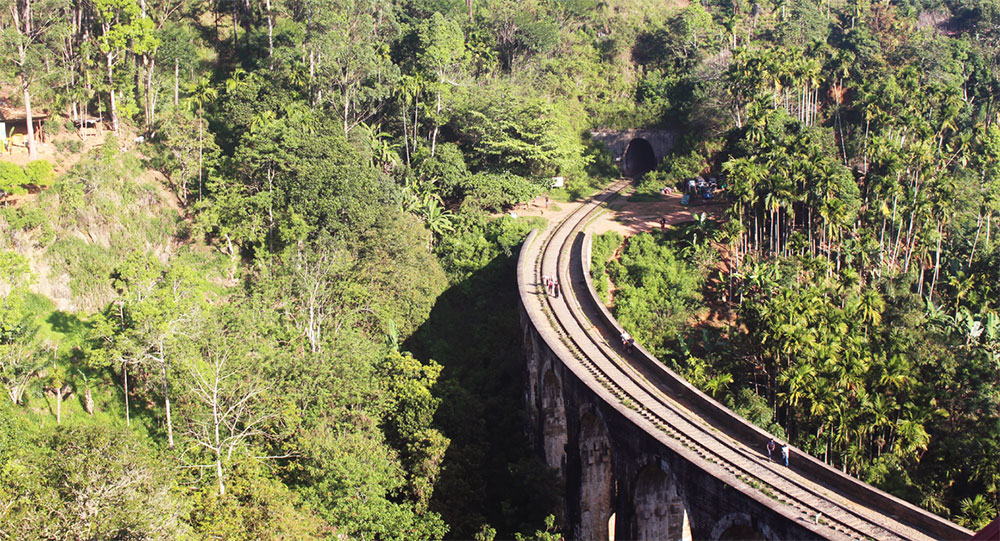
Sri Lanka Nepal Bhutan Bangladesh Tours 20 Days
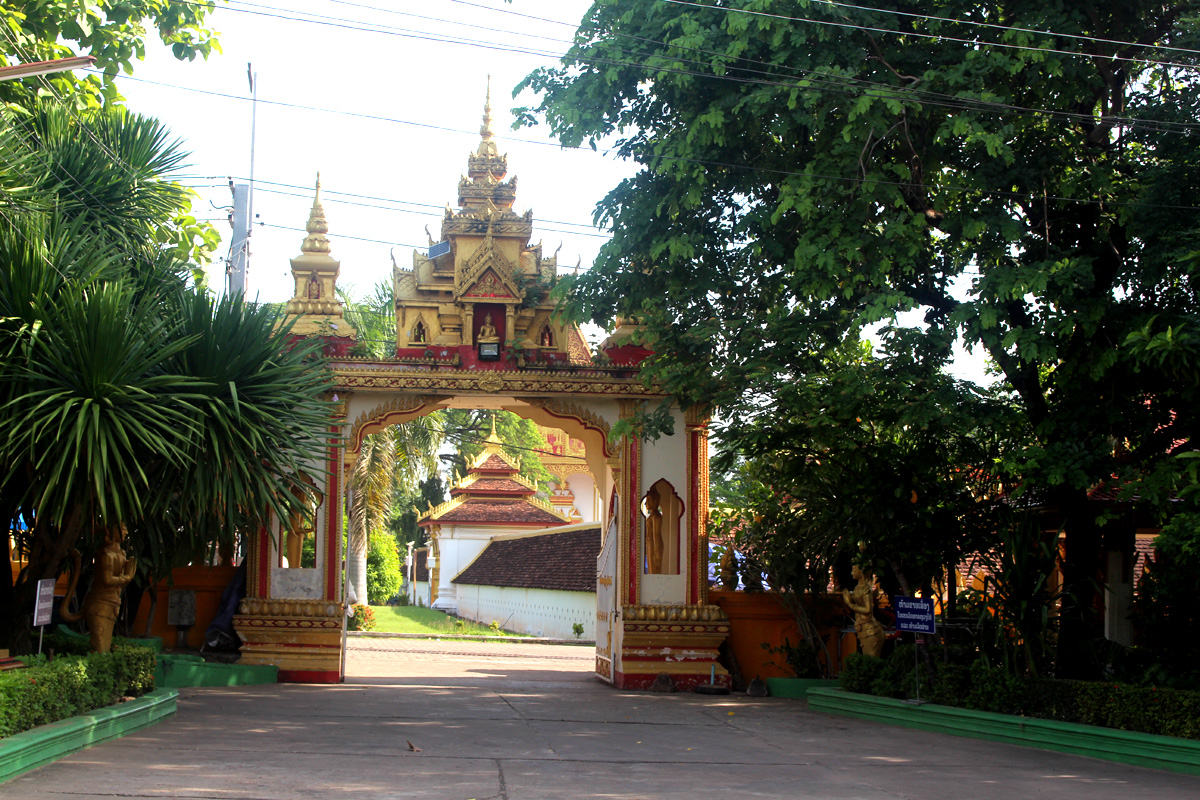
Nepal Tibet Cambodia Laos Tours 17 Days
South Asia Travel Network
South Asian destinations include countries like Nepal, Bhutan, Sri Lanka, Bangladesh, and Tibet (commonly planned together with South Asia itineraries). Regional flights make it relatively easy to travel between major South Asian cities, allowing travelers to combine cultural, spiritual, and Himalayan destinations efficiently.
South-East Asia Travel Network
South-East Asia is highly connected by air, with countries such as Thailand, Vietnam, Cambodia, Laos, Myanmar, Malaysia, and neighboring destinations offering direct flights between most capital cities and tourist hubs. This strong regional network makes multi-country travel within South-East Asia especially convenient.
Key Aviation Hubs Linking Both Regions
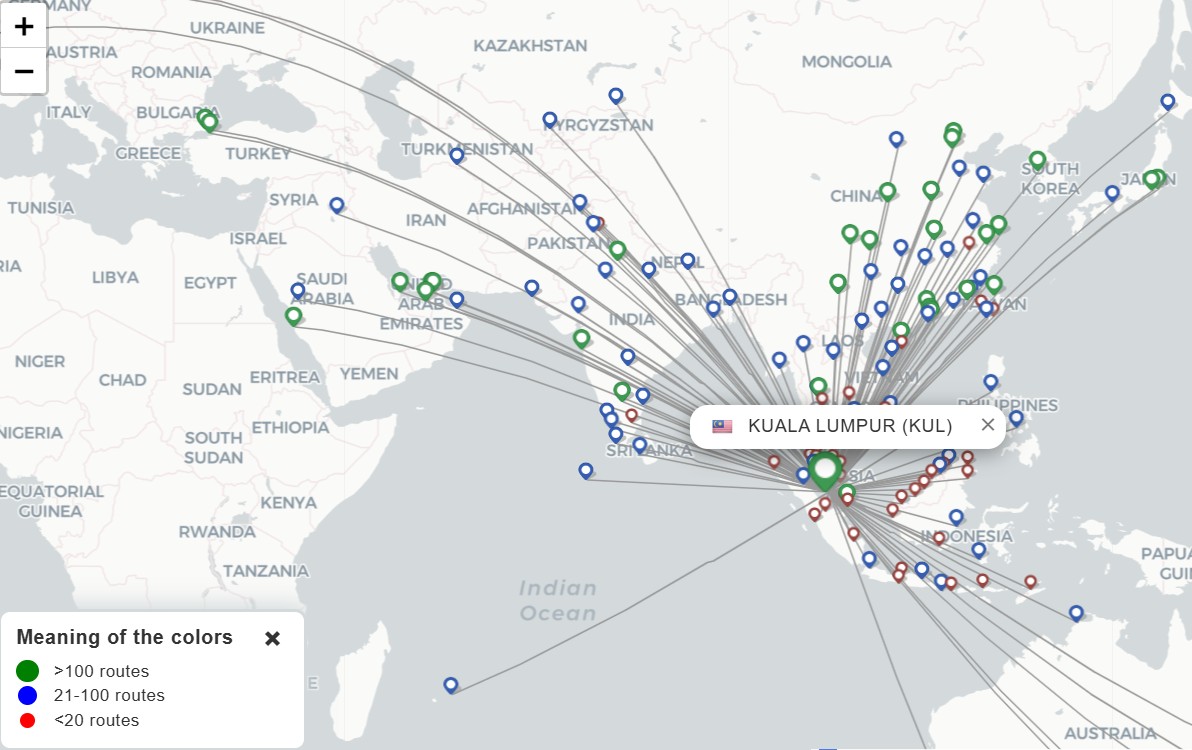
Travelling between South Asia and South-East Asia in most itineraries relies on connecting flights through major regional hubs, including:
- Bangkok (BKK), Thailand
- Kuala Lumpur (KUL), Malaysia
- Singapore (SIN)
We use these cities as the main gateways between the two regions. They offer same-day or overnight connections, making them ideal transit points when designing a seamless multi-country Asia itinerary.
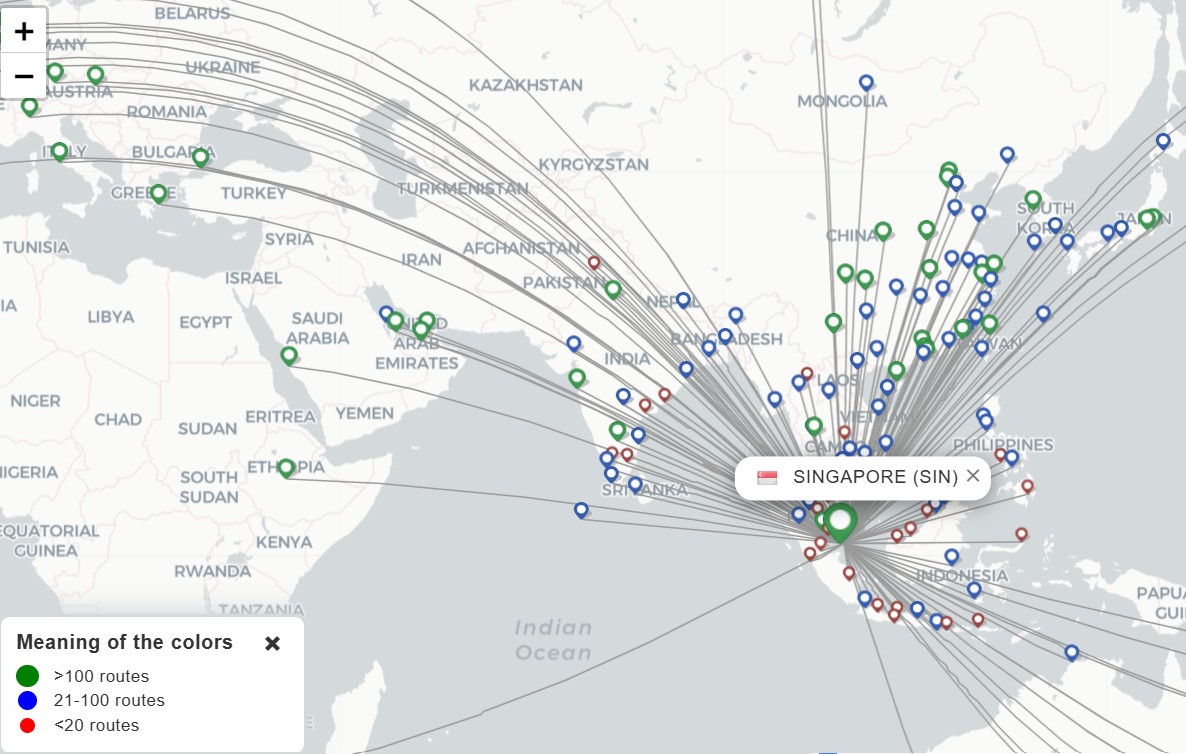
South-East Asia and South Asia: Best & Recommended Travel Routes
Choosing the right travel route while planning a Southeast Asia to South Asia multi-country trip significantly reduces fatigue, transit complications, and overall travel time. Below are the most practical and commonly used routing options, based on flight connectivity, visa convenience, and travel comfort.
Option 1: Same-Day Connections via Regional Hubs (Most Popular)
If you’re someone seeking efficiency and minimal fatigue, same-day connections through major Asian aviation hubs like Bangkok, Kuala Lumpur, or Singapore are the most convenient option. These routes allow smooth transfers without the need for overnight stops.
Common same-day travel routes include:
- Yangon/Phnom Penh/Vientiane/Chiang Mai > Bangkok > Kathmandu/Delhi/Colombo/Dhaka
- Yangon/Phnom Penh/Vientiane/Chiang Mai > Singapore > Delhi/Kathmandu/Colombo/Dhaka
- Yangon/Phnom Penh/Vientiane/Chiang Mai > Kuala Lumpur > Kathmandu/New Delhi/Colombo/Dhaka
Why these routes work well:
- No transit visa is required when connecting on the same airline.
- No self-transfer or airport re-entry is needed.
- Short, well-timed connections between South-East Asia and South Asia.
- High flight frequency and reliable schedules.
- This is an ideal option if you’re starting your journey in Southeast Asia and continuing onward to South Asia. Airlines like Thai Airways, with Bangkok (BKK) as a transit hub, are particularly reliable for these connections.
Option 2: Start in South Asia, Then Continue to South-East Asia
Some travelers prefer beginning their journey in South Asia before moving eastward into Southeast Asia. This option works well, especially if your nationality allows visa-free entry or easy transit through countries like Thailand, Malaysia, or Singapore.
This route is well-suited if:
- You do not require a transit country’s visa.
- You want to begin with cultural, spiritual, or Himalayan destinations like Nepal, Bhutan, or Tibet.
- You prefer to end your trip with beach and leisure destinations in Thailand, Vietnam, Indonesia, Myanmar, or Cambodia.
Starting in South Asia can also help travelers acclimatize to altitude early if Himalayan destinations are part of your itinerary.
Option 3: Overnight Transit Routes (Flexible but Longer)
Some flight combinations involve overnight layovers, especially on evening departures between the two regions. These connections usually transit through:
- Bangkok
- Kuala Lumpur
- Singapore
This routing option is suitable if you:
- Are flexible with travel time and overnight transit, or in-flight connections
- Want more freedom in order to visit regions.
- Are budget-conscious and prefer lower airfare options.
- Don’t mind covering travel time during overnight hours.
Although longer, overnight transit routes still offer reliable connectivity and are commonly used in extended multi-country Asia itineraries.
Which Region Should You Visit First: South Asia or South-East Asia?
There is no single “right” order when planning a South Asia and South-East Asia multi-country trip. The ideal starting point depends upon practical factors like visa requirements, altitude, seasonal timing, and travel pace. The right sequence can be different according to your preference to make your journey more comfortable.
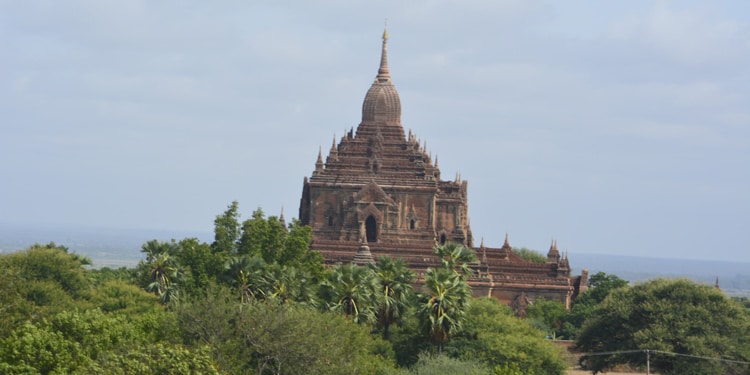
Nepal Tibet Thailand Myanmar Tour 20 Days
Chengdu Tibet Nepal Bhutan Tour 16 Days
Starting with South-East Asia
Beginning with Southeast Asia is a good choice for travelers who prefer a calm and relaxed introduction to Asia before visiting the more demanding destinations.
This option is recommended if:
- You want to have a fun start with beaches, cities, and a diverse food culture.
- You prefer to avoid high-altitude travel at the beginning of your trip.
- You can pan to include Himalayan destinations like Nepal, Bhutan, or Tibet later.
- You are flying into well-connected hubs like Bangkok, Cambodia, Laos, or Myanmar.
The warm climate and easy logistics of South-East Asia help you adjust to time zones and travel rhythms before continuing westwards.
Starting with South Asia
South Asia is an ideal start for those who want to begin their journey with deep cultural, spiritual, or historical experiences.
This option is recommended if:
- You want to explore destinations such as India, Nepal, Bhutan, Tibet, Sri Lanka, or Bangladesh first.
- Your departure city offers direct flights to China, and you qualify for China’s visa-free entry or already hold a valid visa.
- Your travel dates align with major festivals, pilgrimage seasons, or cultural events.
Starting with South Asia can also be advantageous for travel planning extended stays or structured itineraries around religious or cultural calendars.
Most Popular Multi-Country Route: Nepal, Bhutan & Tibet – Which Order Works Best?
The Nepal, Bhutan, and Tibet tour is one of the most popular multi-country itineraries for travelers exploring the Himalayas. Choosing the right travel order is an important decision, as altitude, acclimatization, and visa logistics play a major role in travel safety and comfort.
Nepal > Bhutan > Tibet (or Mainland China)
Recommended for Acclimatization and Comfort
This route is widely considered the best option for most travelers due to its gradual increase in altitude.
- Nepal offers moderate elevations and serves as an ideal starting point.
- Bhutan sits higher than Nepal but remains comfortable with proper pacing.
- Tibet has the highest average elevation and requires acclimatization, including at least one rest day.
Travelling in this sequence allows your body to adjust progressively, helping to reduce the risk of altitude sickness and making the journey more manageable, especially for first-time Himalayan travelers.
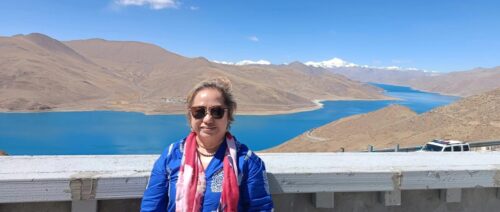
Tibet > Nepal or Bhutan
Possible but requires careful planning
Starting your journey in Tibet is feasible but demands additional preparation.
This route is suitable only if:
- You are in good physical health.
- Your itinerary includes proper acclimatization days (minimum one rest day)
- The travel schedule is carefully planned to manage altitude exposure.
Starting in Tibet without a gradual ascent increases the risk of altitude-related issues as the elevation is significantly higher.
Visa Considerations
Knowing about the visa requirements is very important while planning Nepal, Bhutan and Tibet tours.
- China Visas or visa-free eligibility influence Tibet entry options.
- Travel to Tibet requires a special permit, which must be arranged in advance through authorized operators.
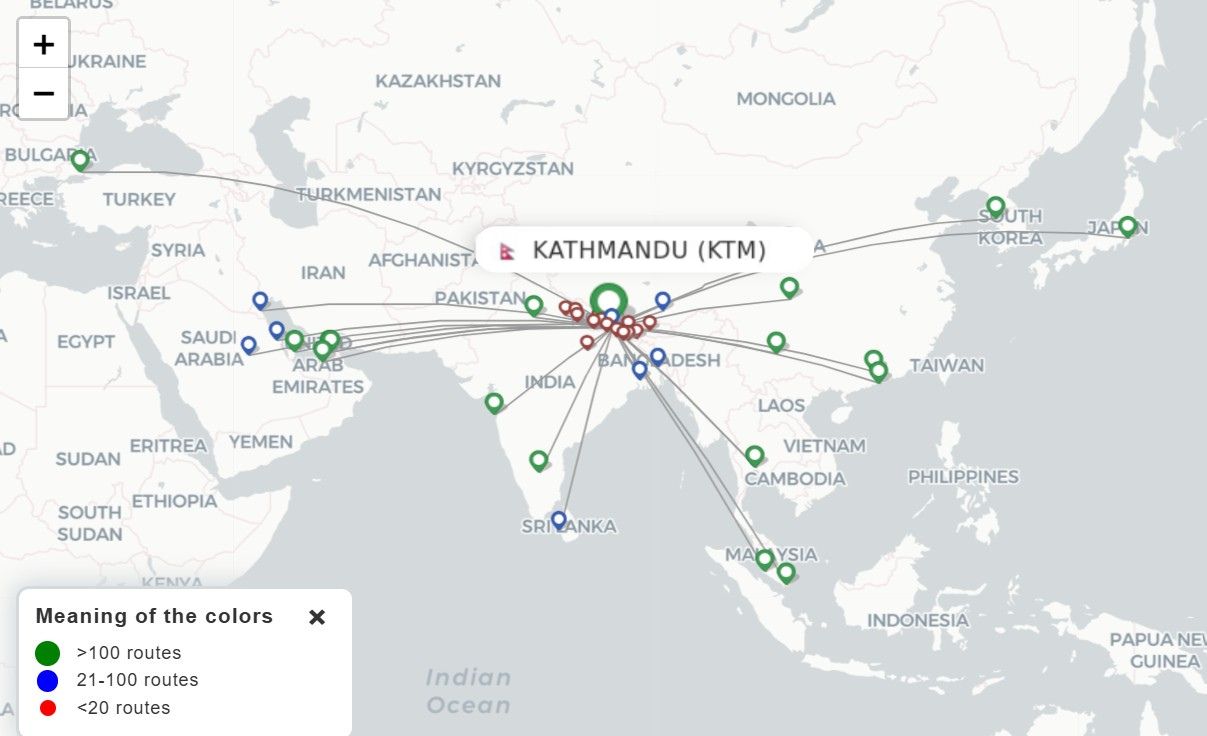
- Nepal is the most convenient entry or exit point for Tibet travel, as Kathmandu is the only international hub offering direct flights to Tibet.
- Travelers entering Tibet from Nepal apply for a Tibet Group Visa in Kathmandu, which allows travel to Tibet and onward to mainland China.
At Asia Experiences, we carefully design Nepal, Bhutan, and Tibet itineraries that balance altitude safety, visa logistics, and overall travel comfort, ensuring a smooth and well-paced Himalayan journey.
Including China or Tibet in Your Asia Trip
Adding China or Tibet to a South Asia itinerary is often easier than travelers expect, thanks to strong air connectivity and well-established travel routes. Both regions are well linked to major Asian hubs, making them practical additions to a multi-country Asia journey.
Major Flight Gateways to China
These are the frequent international flights from South Asia and South-East Asia to key Chinese cities, including:
- Chengdu (TFU)
- Beijing (PEK)
- Kunming (KMG)
Among these, Chengdu is one of the most popular gateways for Tibet travel, as it offers regular (3-6 daily flights) flights and train connections to Lhasa, making it a preferred entry point for Tibet itineraries.

Why China Works Well in Multi-Country Asia Travel
China offers multiple advantages for travelers planning an extended or multi-country trip:
- Expanded visa-free entry policies for selected nationalities, including most of the European and South American citizens, as well as travelers from Thailand, South Korea, Japan, Malaysia, Singapore, New Zealand, Australia, the UAE, Qatar, and other countries.
- Excellent international flight connectivity linking China with major destinations across Asia, Europe, North America, and Australia
- High-speed rail networks, allowing efficient travel between cities such as Beijing, Chengdu, Xi’an and Kunming for flexible itinerary planning.
With proper planning, China and Tibet can be seamlessly integrated into a broader Asia itinerary, offering cultural depth, dramatic landscapes, and efficient travel logistics.
Best Cities to Arrive and Depart for a Multi-Country Asia Tour
Choosing the right arrival and departure cities is a key part of planning a smooth South Asia and South-East Asia multi-country tour. The right gateways can reduce travel time, lower flight costs, and avoid unnecessary backtracking between regions.
Here are some of the most practical and well-connected cities for starting or ending a multi-country Asia itinerary.
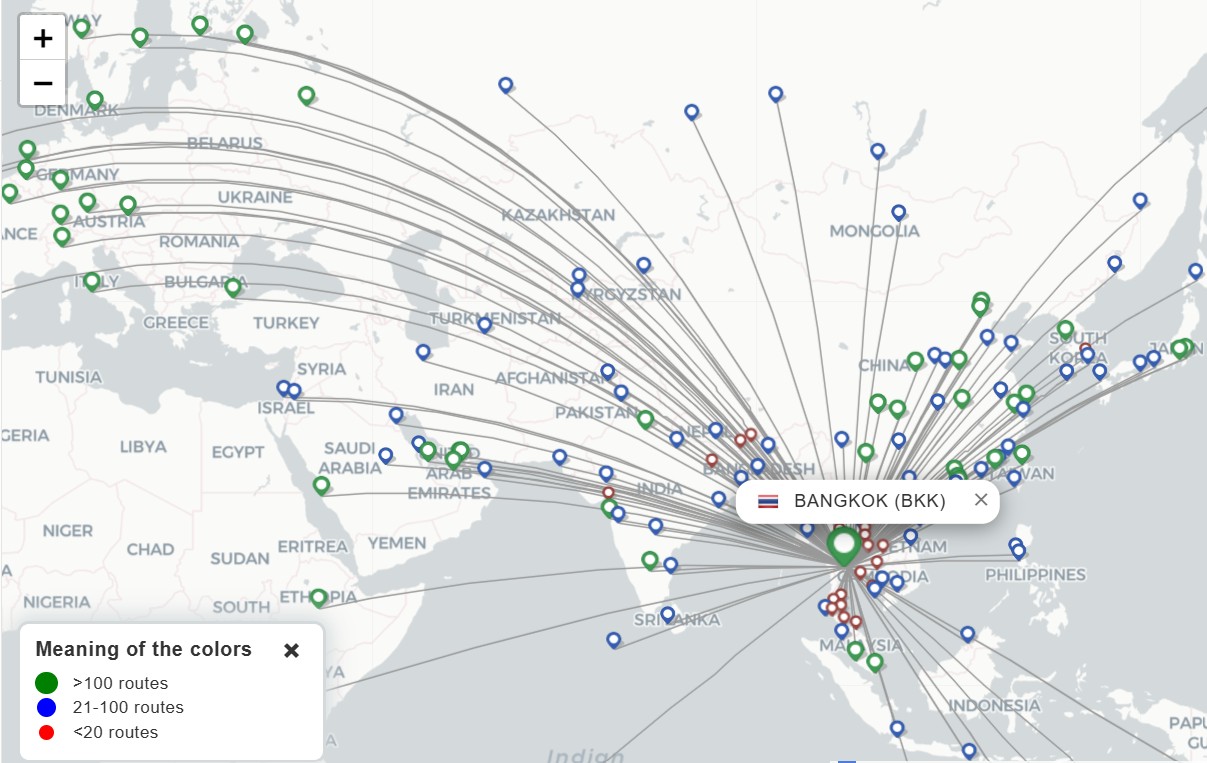
Bangkok (BKK), Thailand
Best Overall Hub for Multi-Country Asia Travel
- Major aviation hub connecting South-East Asia and South Asia.
- Excellent global connectivity from Europe, the Americas, Australia, and Asia.
- Ideal starting or ending point for combined regional itineraries.
New Delhi (DEL), India
Primary Gateway to South Asia
- Best entry point for India, Nepal, Bhutan, Sri Lanka, and Bangladesh.
- Strong long-haul connections with Europe, North America, and Asia.
- Well-suited for cultural, spiritual, and heritage-focused itineraries.
Kathmandu (KTM), Nepal
Ideal Gateway for Himalayan Travel
- Popular starting point for Nepal, Bhutan, and Tibet tours.
- Key hub for Tibet Group Visa processing.
- Easy to combine the Himalayan destinations in one itinerary
Dhaka (DAC), Bangladesh
Emerging Hub for South Asia Routes
- Useful for regional South Asia travel.
- Growing international connectivity.
- Suitable for travelers combining Bangladesh with neighboring countries.
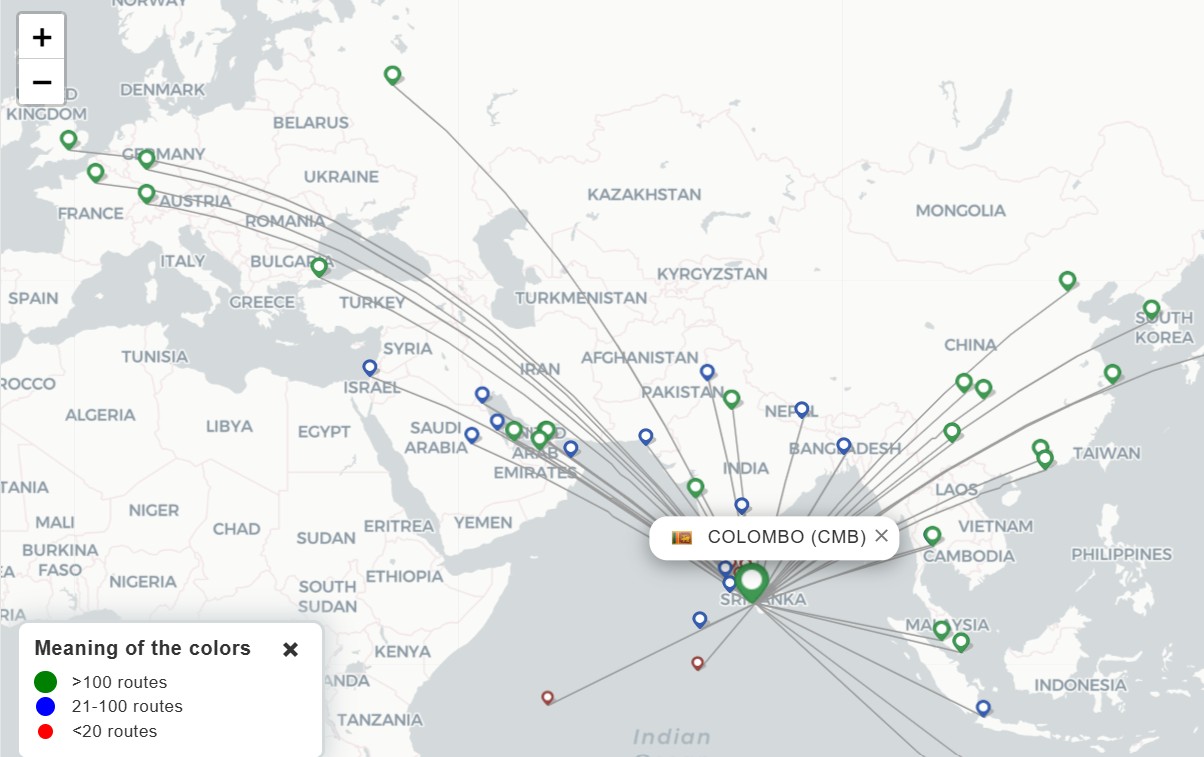
Colombo (CMB), Sri Lanka
Excellent Entry Point for Island and Cultural Tours
- Ideal for Sri Lanka-focused itineraries.
- Good air connections with India, Nepal, and Bangladesh as well as from Europe.
- Works well as a starting or ending point for South Asia trips.
Chengdu (TFU), China
Best Gateway to Tibet
- One of the main access points to Lhasa and Tibet.
- Strong regional and international flight connections.
- Commonly used for Tibet-inclusive Asia itineraries.
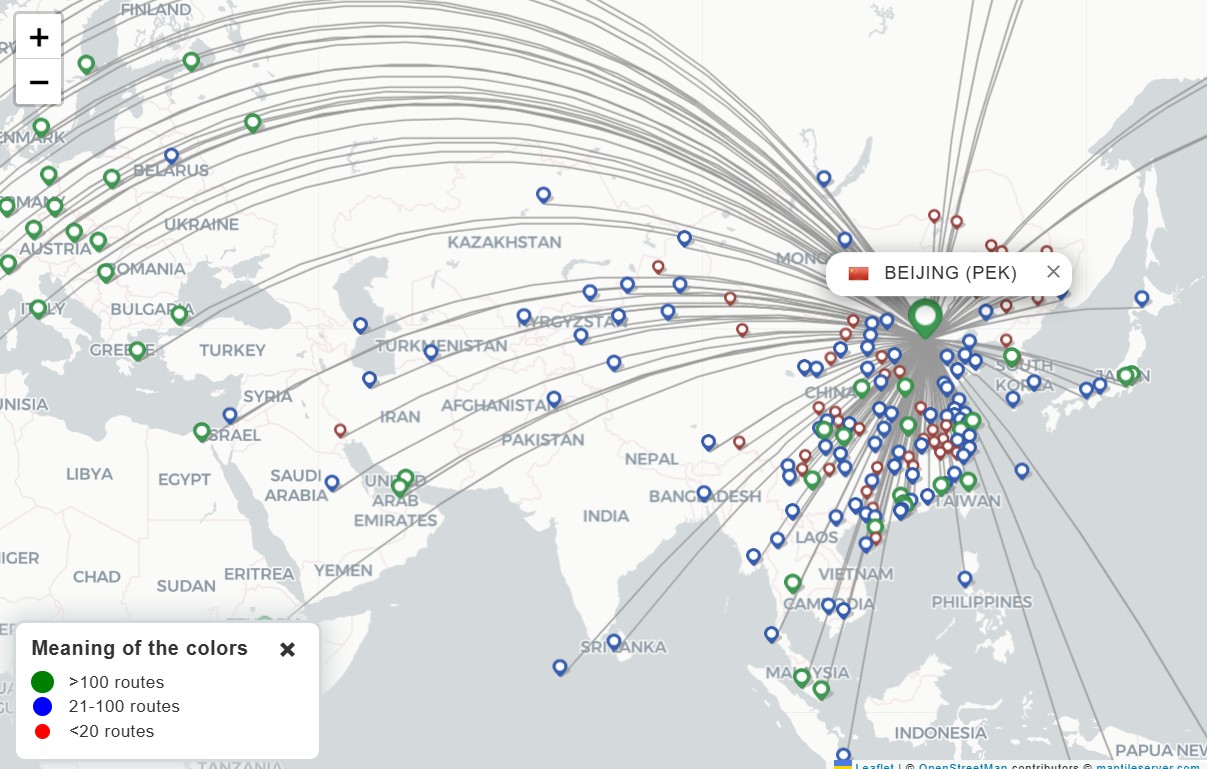
Beijing (PEK), China
Key International Hub for Extended Asia Travel
- Direct long-haul flights from major global cities.
- Ideal for combining historical China with South Asia and South-East Asia.
- Strong domestic and international connectivity.
Selecting the right gateway cities helps to plan a comfortable multi-country Asia journey efficiently.
Best Asian Countries to Visit for First-Time Travelers in 2026 or 2027
If you’re planning your first trip to Asia, here are some countries in South Asia and South-East Asia offering a great balance of culture, safety, accessibility, and travel infrastructure, making them ideal for beginners.
South Asia
- Nepal – You’ll get a combination of beautiful Himalayan scenery, rich culture, and deep spiritual experiences.
- Bhutan – This is an ideal country for a peaceful, exclusive, and deeply authentic journey.
- China (including Tibet) – It offers a balance of ancient history, dramatic landscapes and modern cities.
- Sri Lanka – You’ll love the compact, scenic and easy-to-explore vibe of this country.
- India – This country is best for its immense cultural depth, best experienced with guided tours.
South-East Asia
- Thailand – Great if you like beaches, good food, temples and easy travel.
- Vietnam – It offers scenic landscapes, history, and excellent value to travelers.
- Cambodia – It has Angkor Wat and a strong cultural heritage.
- Laos – You’ll enjoy a relaxed pace, river life, and the Buddhist culture of this country.
- Myanmar – It offers you the beauty of its ancient temples and off-the-beaten-path experiences.
These are the countries well-suited for first-time Asia travelers, which can be easily combined into multi-country itineraries across South Asia and South-East Asia.
Best Asian Countries to Visit by Month (Overview)
Asia is a big continent where the climate varies by region. Planning the right destination in the right month helps you enjoy your trip in preferred weather, festivals, and travel comfort. We have compiled a seasonal overview for South Asia and South-East Asia to help you plan your journey better:
January to March (Dry Season, Best Overall)
This time is great for cultural tours, beach holidays, and city exploration.
- Thailand
- Sri Lanka
- Vietnam
- Laos
- Myanmar
- Cambodia
- India (Rajasthan, Kerala)
April to June (Spring & Early Summers)
This season is best for the Himalayan regions before the monsoon begins.
- Nepal
- Bhutan
- China (Tibet, Beijing, Chengdu)
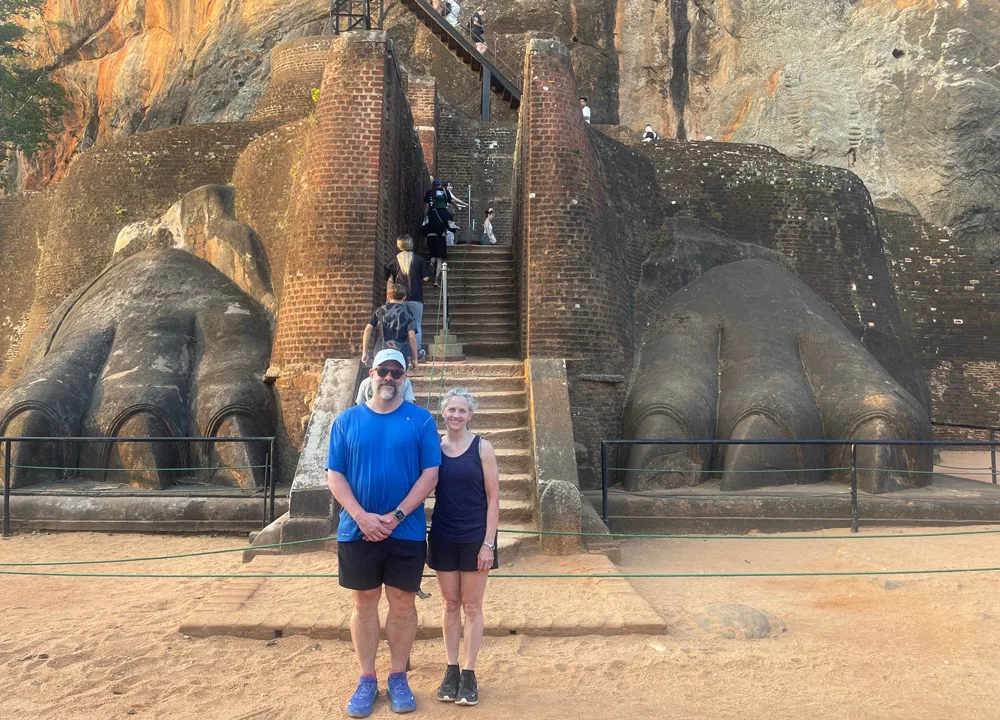
Sri Lanka India Bhutan Nepal Tour 25 Days
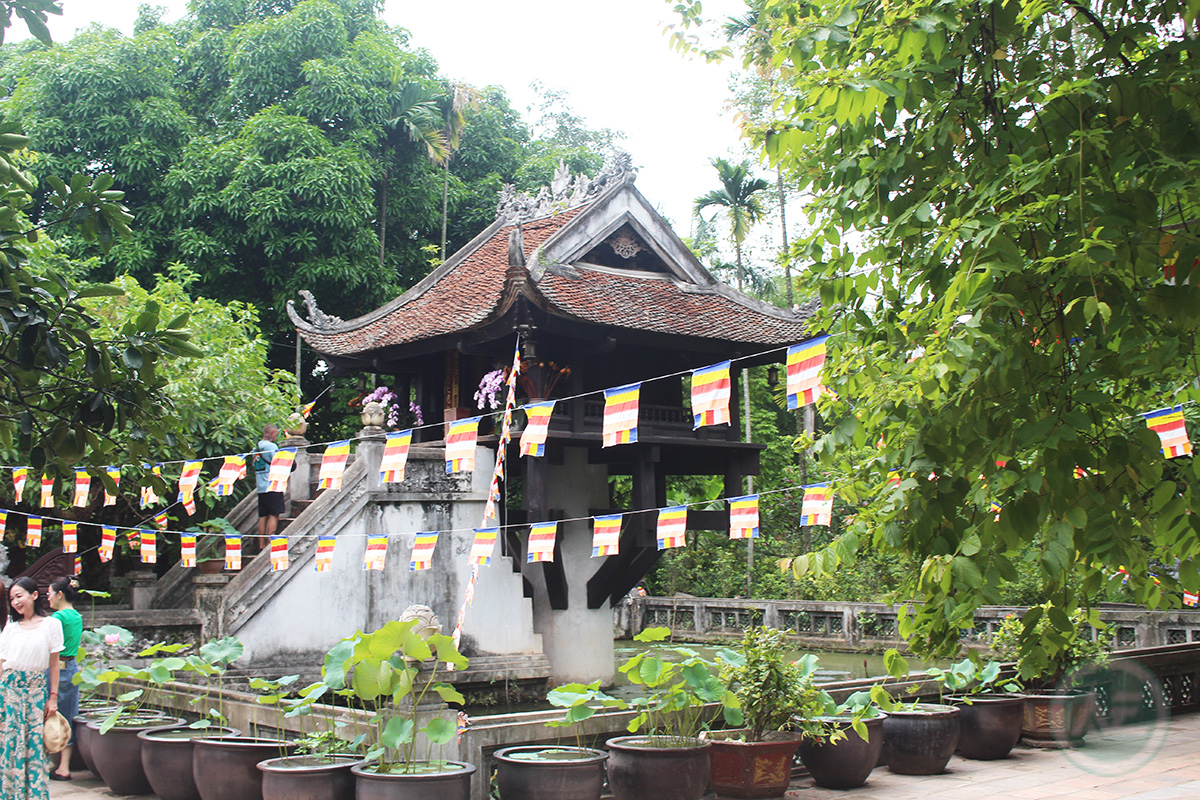
Vietnam Cambodia Thailand Nepal Tour 16 Days
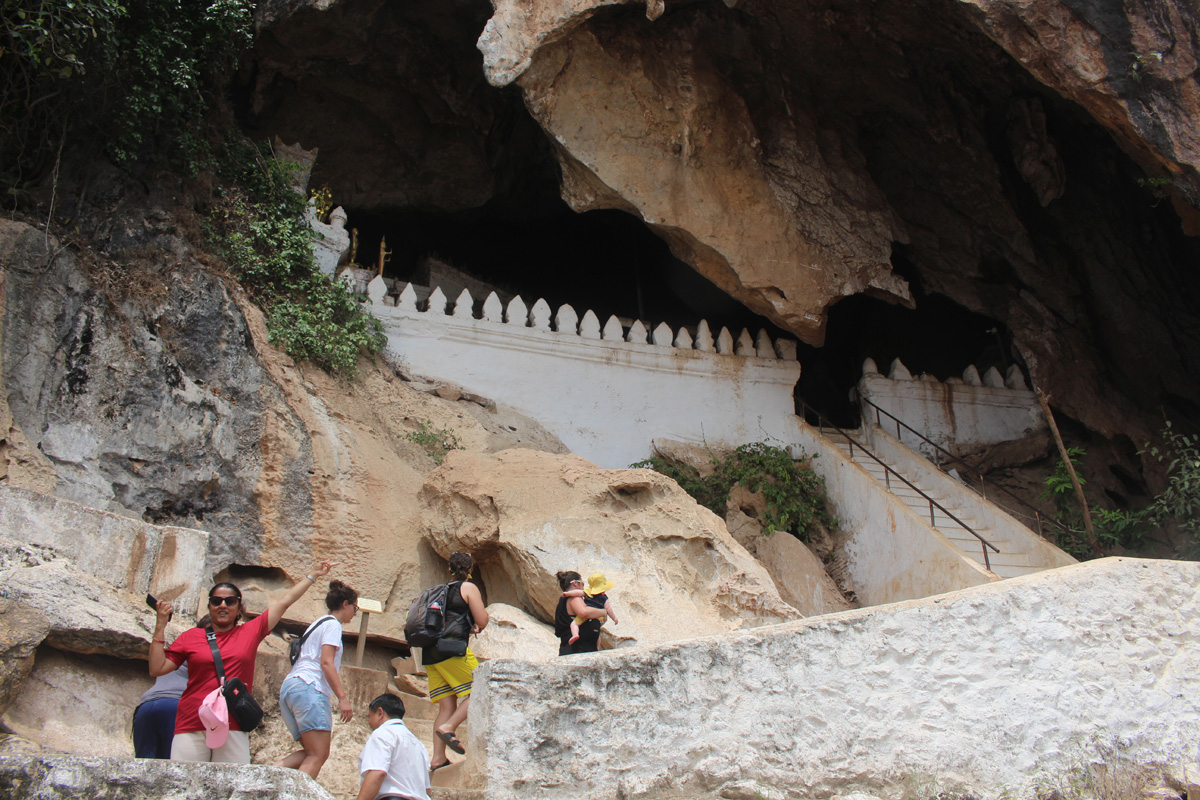
Cambodia Laos Nepal and Bhutan Tours 18 Days

Bangladesh Bhutan Nepal Tibet Tour 17 Days
July to August (Summer & Monsoon Period)
This season is best for destinations less affected by the monsoon or ideal in summer.
- Indonesia
- Malaysia
- Tibet (peak summer trekking season as well)
September to November (Autumn & Festival Season)
This is one of the best times for trekking, festivals, and clear mountain views.
- Nepal (best trekking season as well)
- Bhutan (festival season)
- India (post-monsoon travel)
- Thailand
- Vietnam
December (Holiday Season)
This is great for perfect winter escapes, beaches, and classic cultural routes.
- South-East Asia beach destinations
- Sri Lanka
- India (Golden Triangle)
- Cambodia
- Laos
- Myanmar
This month-by-month guide helps you match destinations with weather, altitude, and seasonal highlights, making multi-country Asia trips smoother and more rewarding.
Why Plan a Multi-Country Asia Tour with Asia Experiences?
Planning a multi-country journey across South Asia and South-East Asia is rewarding, but it can also be complex. Travelers must account for complex flight routes, multiple visa and permit requirements, altitude variations in the Himalayas, and seasonal weather patterns that differ widely across regions. Without proper planning, even a dream trip can feel rushed or disconnected.
At Asia Experiences, we specialize in designing custom private tours that connect destinations smoothly. Whether you are planning to combine Nepal, Bhutan, and Tibet for a Himalayan journey or extending your itinerary to Thailand, Laos, Cambodia, or Vietnam, our team carefully plans entry points, travel order, visas, special Tibet permits, logistics and transit hubs to reduce fatigue and maximize your comfort.
You can explore our full range of South Asia tours and South-East Asia itineraries to see how these routes come together naturally.
From first-time visitors to seasoned travelers, Asia Experiences creates smooth, well-paced journeys across Asia, blending expert planning with local insight. If you are considering a customized itinerary or need guidance on route planning, visas, or timing, our team is always happy to help.
Final Thoughts
A South Asia and South-East Asia multi-country tour can be one of the most enriching travel experiences in the world, if planned the right way. Planning thoughtfully helps to lessen travel fatigue, avoid visa complications, and ensure a smoother trip across diverse landscapes and cultures.
If you’re planning an Asia trip for 2026 or 2027, this is the perfect time to start preparing for an itinerary that matches your interests, travel pace, and comfort level. From Himalayan destinations to tropical cities and cultural highlights, the right planning makes all the difference.
Explore customized Asia tours with Asia Experiences and let our experienced teams turn your multi-country travel plan into a seamless and memorable journey.
Frequently Asked Questions (FAQ)
What is the best travel route for a South Asia and South-East Asia multi-country trip?
The best travel route generally depends upon multiple factors, including flight schedules, visa requirements, and your preference for itinerary. But the route connecting the two regions via major Asian hubs like Bangkok, Kuala Lumpur, or Singapore is usually considered the best. Most travelers begin their journey in Southeast Asia and then continue to South Asia using same-day connecting flights.
Are there direct flights between South Asia and Southeast Asia?
Direct flights between South Asia and South-East Asia are limited and available only between a few cities (Eg. Yangon – New Delhi/Chennai, Hanoi/Ho Chi Minh – New Delhi, Phnom Penh – New Delhi). In most cases, travelers are required to take connecting flights via Bangkok, Kuala Lumpur, or Singapore. This offers the most reliable and frequent connection between the two regions.
Should I visit South Asia or South-East Asia first?
Both options are possible. Choose according to your preference.
- South-East Asia first is ideal if you want a relaxed start, especially if you want beaches and city tours in your trip.
- South Asia first works well if you value cultural or spiritual destinations and want to align your visas and itinerary with festivals.
We recommend starting with lower-elevation regions if your itinerary includes high-altitude destinations for better acclimatization.
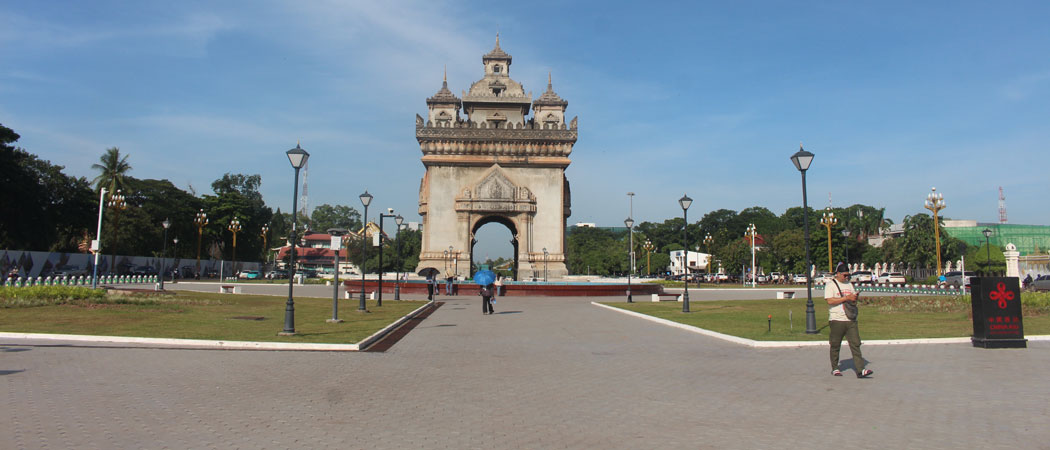
Thailand Cambodia Vietnam and Laos Tours 19 Days
Nepal Tibet Thailand Myanmar Tour 20 Days
India Bhutan Bangladesh Tour 21 Days
India Bhutan Nepal Tour 19 Days
Can I combine Nepal, Bhutan, and Tibet in one trip?
Yes. Nepal, Bhutan and Tibet can be combined in a single multi-country trip. For better altitude acclimatization, we recommend this travel order: Nepal -> Bhutan -> Tibet. A special permit is required for Tibet, plus it has different visa rules for certain nationalities, making it essential to plan in advance with an experienced tour operator. But if you already have China visa, start your trip from Tibet.
Is it easy to include China or Tibet in a South Asia and South-East Asia itinerary?
Yes, many international flights connect South Asia and South-East Asia with major Chinese cities like Chengdu, Beijing, and Kunming. Chengdu is popular as one of the main gateways to Tibet. Because of China’s visa-free transit or entry policies, some nationalities may benefit too. This makes China and Tibet a practical and convenient addition to a multi-country Asia tour.
Plus, travel agencies like Asia Experiences help integrate China and Tibet into your itinerary according to your preference easily.
Which city is best to start or end a multi-country Asia trip?
The best city for arrival or departure mostly depends upon your itinerary; however, the most popular choices are:
- Bangkok (BKK) is the best overall international hub for Southeast Asia.
- New Delhi (DEL) is an ideal gateway for India, Nepal, and Bhutan.
- Kathmandu (KTM) is the perfect starting point for Himalayan travel and Tibet routes via Nepal.
- Chengdu (TFU) is the primary gateway city for traveling to Tibet.
These major Asian cities offer excellent international flight connections, frequent regional flights, and flexible routing options for multi-country Asia travel.
What is the best time of year for a South Asia and South-East Asia multi-country trip?
Since Asia is a big continent, we cannot consider a single best time that suits all South Asian and Southeast Asian countries. Weather patterns vary significantly by region, altitude, and geography. The ideal travel time depends upon the countries you plan to explore and the type of experiences you’re looking for.
Is a guided tour recommended for multi-country travel in Asia?
Yes. We highly recommend a guided or fully organized private tour for a multi-country travel in Asia. They help you to manage the essentials such as permits, visas, travel orders, etc., so that you can have a smooth and hassle-free journey across Asia.
How many countries can I realistically visit in one Asia trip?
Most travelers usually include 3 to 5 countries in one trip. The number of countries you visit depends on several factors, like trip length and travel pace. A well-planned itinerary includes schedules that are not rushed and allows enough time for you to experience each destination to the full extent.
Why book a South Asia and South-East Asia multi-country trip with Asia Experiences?
Asia Experiences specializes in custom, private, multi-country tours across South Asia and South-East Asia. We help you handle complex travel routes, visa requirements, permit arrangements, and personalize itineraries to ensure a smooth and enriching travel experience from beginning to end.
Ready to explore Asia? Let us plan your perfect journey with confidence, with no worries about logistics, safety, and cultural nuances. You only focus on enjoying your trip.
Asia Experiences (A product of Everest Vacation P. Ltd.), specializing in South Asia and Southeast Asia multi-country tours, offers diverse packages for all age groups. We have various options for tour packages for travelers seeking cultural, historical, spiritual, natural, or adventure tour experiences.
There is also flexibility in customizing the itineraries to your preferences. Some of our packages are as follows, which include both South Asia and Southeast Asian destinations:
Nepal Tibet Bhutan Luxury Tour 15 Days

Nepal Tibet Bhutan Tour 14 Days

Nepal Tibet Bhutan Laos Tour 19 Days