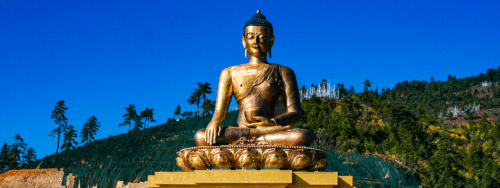
Exploring Sacred Sites in Asia: Temples, Monasteries & Spiritual Retreats
16 Feb 2026 Umesh Paneru

In a time when the entire world is so busy with its fast-paced life and constant distractions, we need a space to restore the peace of our minds. Across Asia, we can find quiet wisdom in the old ways that never leave. Instead of simply moving from place to place, one begins drifting through centuries of traditions, faith, philosophy, and history. From Himalayan monasteries to temples, the largest continent provides us with an extraordinary blend of sacred landscapes. What Asia provides isn’t just a journey across various geographies; you’ll experience a passage through time, where Hinduism, Buddhism, Taoism, and indigenous practices shape everyday life.
The journey across Asia includes exploring the beautiful lands of India, Nepal, Bhutan, Sri Lanka, Tibet, China, and Thailand. Each destination offers unique spiritual reflection: mist-covered Himalayas and lush jungles to the ancient cities of China and the timeless temples of Nepal. Deeply rooted in history and sustained by living communities, these sacred places invite travelers, pilgrims, and seekers alike to experience Asia’s enduring spiritual legacy.
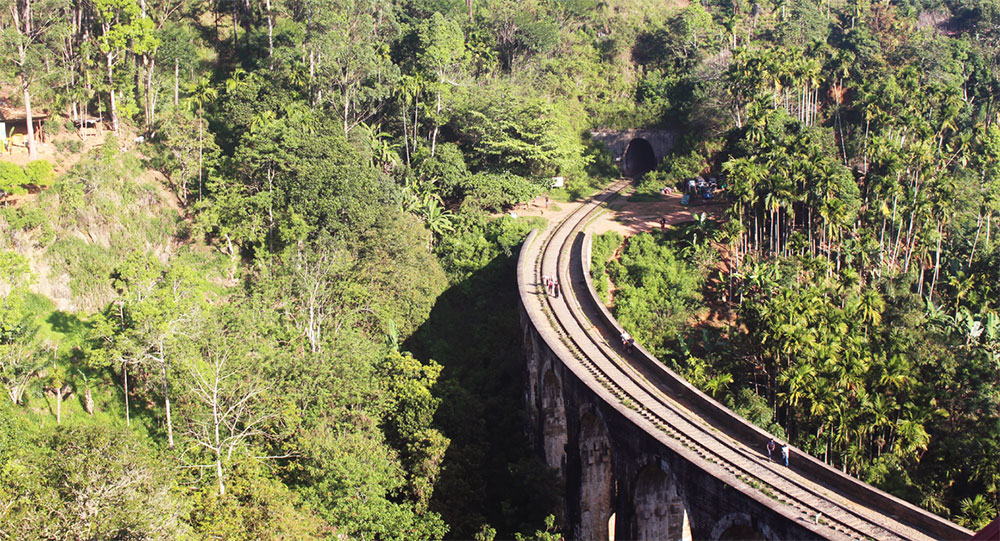
Sri Lanka Nepal Bhutan Bangladesh Tours 20 Days
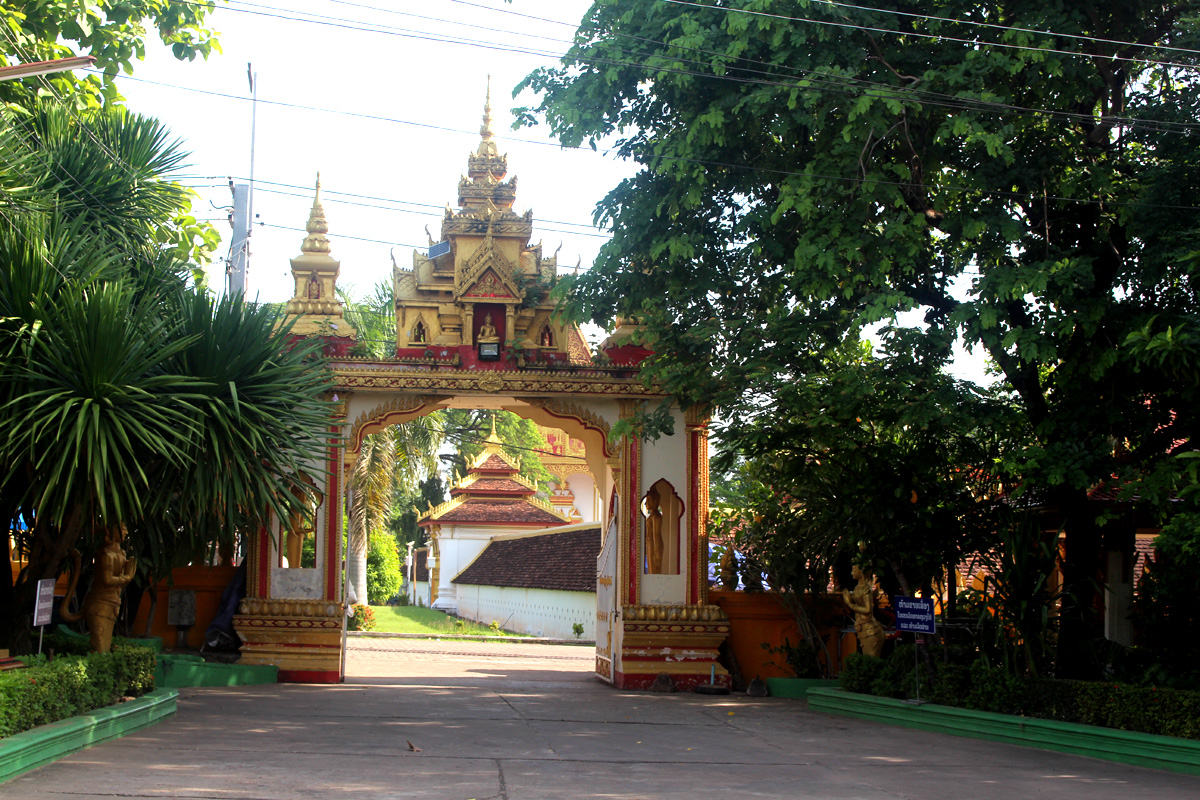
Nepal Tibet Cambodia Laos Tours 17 Days
Wisdom shows up not only between book covers but also through watching lives unfold around the world. Whether you’re planning a spiritual journey or simply seeking deeper cultural insight, these sacred sites in Asia offer meaningful experiences worth exploring further.
India: The Root of Spiritual Traditions
India, one of the world’s oldest spiritual landscapes, holds sacred sites, the living centers of worship, pilgrimage, and philosophy. This sacred land attracts millions of devotees and travelers each year. Some of the most popular spiritual sites in India include:
Varanasi: Located on the banks of the River Ganges, this is considered one of the oldest and continuously inhabited cities in the world. The most sacred city for Hindus, where, at dawn and dusk, the ghats glow with religious lamps, chants echoing in the air, people celebrate age-old ceremonies beside ancient temples like Kashi Vishwanath, dedicated to Lord Shiva. This is a sacred space where you get to experience each moment layered with history and spirituality.
Bodh Gaya: Holding profound importance in the Buddhist community, this place is believed to be where Buddha attained enlightenment under a Bodhi Tree. The Mahabodhi Temple, a UNESCO World Heritage Site, continues to serve as a global center for Buddhist pilgrimage, meditation, and monastic study.
Golden Temple in Amritsar: This is considered the Holiest shrine of Sikhism, representing the faith’s core values of equality, service, and devotion. Its beautiful golden dome reflects across the water, adding to the beauty of the temple. It is known for its open community kitchen, serving free meals to thousands daily, hence standing as a powerful example of living spirituality and social harmony.
India is a land where you don’t have to visit any temples to witness its sacredness. You can experience it through bustling marketplaces, along holy rivers, by the street, woven into the daily lives of people.
Nepal: Between Earth and Sky
Cradled in the majestic Himalayas, Nepal occupies a unique spiritual space in Asia, where the highest mountains reside along with some of its most important sacred sites. Shaped by centuries of Hindu and Buddhist traditions, the landlocked country has an atmosphere where spirituality feels a part of everyday life. For many travelers, exploring sacred sites in Nepal is as much about the landscape as it is about the places of worship themselves.
Swayambhunath Stupa (Monkey Temple): Perched atop a hill overlooking Kathmandu valley, this is the oldest and most symbolic of the Buddhist monuments in the region. It is held in great importance by both Buddhists and Hindus, reflecting Nepal’s beautiful religious harmony. The stupa’s all-seeing eyes, prayer flags, and steady rhythm of “Om Mani Padme Hum” create a sense of calm and devotion.
Boudhanath Stupa: Standing expansive and peaceful, this sacred stupa is one of the largest Buddhist centers in South Asia. It resides among monasteries and Tibetan-influenced neighborhoods, attracting pilgrims from around the world. Regarded as a focal point for pilgrimage, meditation, and monastic life, this beautiful site is a must-visit for travelers who want to visit a spiritual hub with the presence of monks and the slow turning of prayer wheels.
Nepal Tibet Thailand Myanmar Tour 20 Days
Chengdu Tibet Nepal Bhutan Tour 16 Days
Beyond these iconic landmarks, Nepal’s sacred geography extends into hidden valleys, mountain monasteries, and pilgrimage routes that follow rivers and forested trails. Popular sites like Pashupatinath temple, Kopan monastery, Lumbini (birthplace of Gautama Buddha), etc, offer retreats for meditation and a deeply immersive spiritual journey.
Bhutan: Where Happiness is Policy
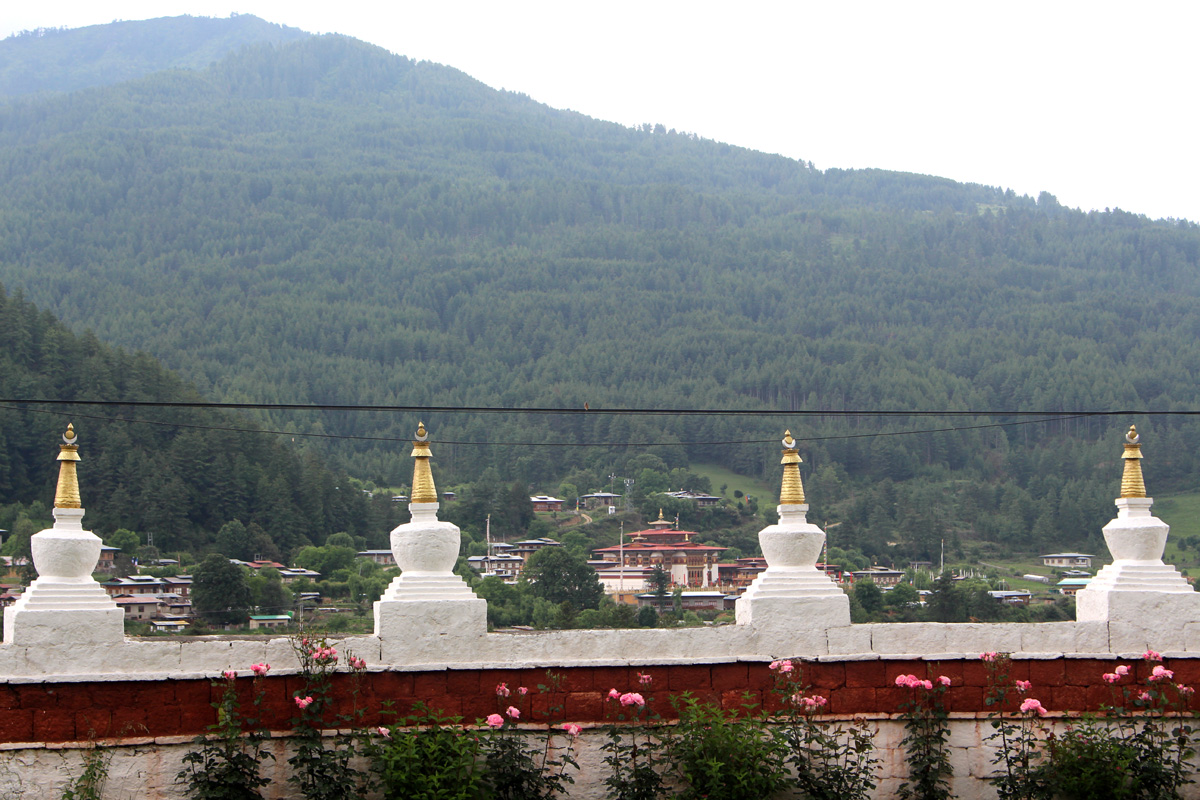
Bhutan’s spiritual identity is inseparable from its landscape, where forested valleys, mountain passes, and Cliffside monasteries form the backbone of the daily religious life of its people. Rooted deeply in Vajrayana Buddhism, the country is often associated with mindful living and preservation of tradition. Exploring sacred sites in Bhutan offers insight into a society where spiritual practice remains at the center of everyday life.
Paro Taktsang (Tiger’s Nest Monastery): It is the most iconic sacred site of Bhutan. It is perched on a sheer cliff face above the Paro Valley. This sacred haven is believed to be the meditation site of Guru Padmasambhava, who introduced Buddhism to Bhutan. Reaching the monastery requires a 2-hour hike, making the journey itself part of the spiritual experience. You’ll feel an additional sense of peace with the scent of butter lamps and the gentle resonance of monks’ chants in the background.
Thailand Cambodia Vietnam and Laos Tours 19 Days
Nepal Tibet Thailand Myanmar Tour 20 Days
India Bhutan Bangladesh Tour 21 Days
India Bhutan Nepal Tour 19 Days
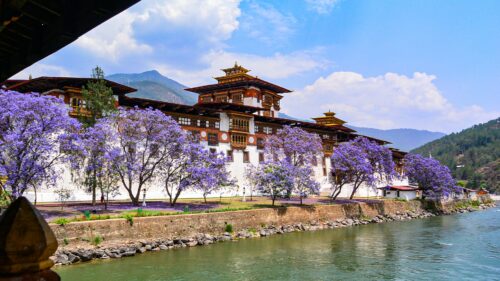
Punakha Dzong: Another Significant place, located at the confluence of the Pho Chhu and Mo Chhu rivers. This site plays a central role in religious ceremonies and national events of Bhutan and is an important monastic center. Its architecture reflects Bhutanese spiritual aesthetics and is a great place for travelers seeking a suitable combination of form, symbolism, and function.
Bumthang Valley: Another important site, often regarded as Bhutan’s spiritual heartland. With some of the country’s oldest temples and monasteries, the Bumthang valley is closely associated with Buddhist teachings, sacred legends, and annual religious festivals. Sites like Jakar Dzong and Kurjey Lhakhang continue to attract pilgrims seeking both historical understanding and spiritual connection.
Together, these sacred sites in Bhutan reveal a carefully preserved spiritual heritage where devotion, landscape, and tradition remain charmingly intertwined, offering visitors an experience deeply rooted in reverence.
Sri Lanka: The Island of Enlightenment
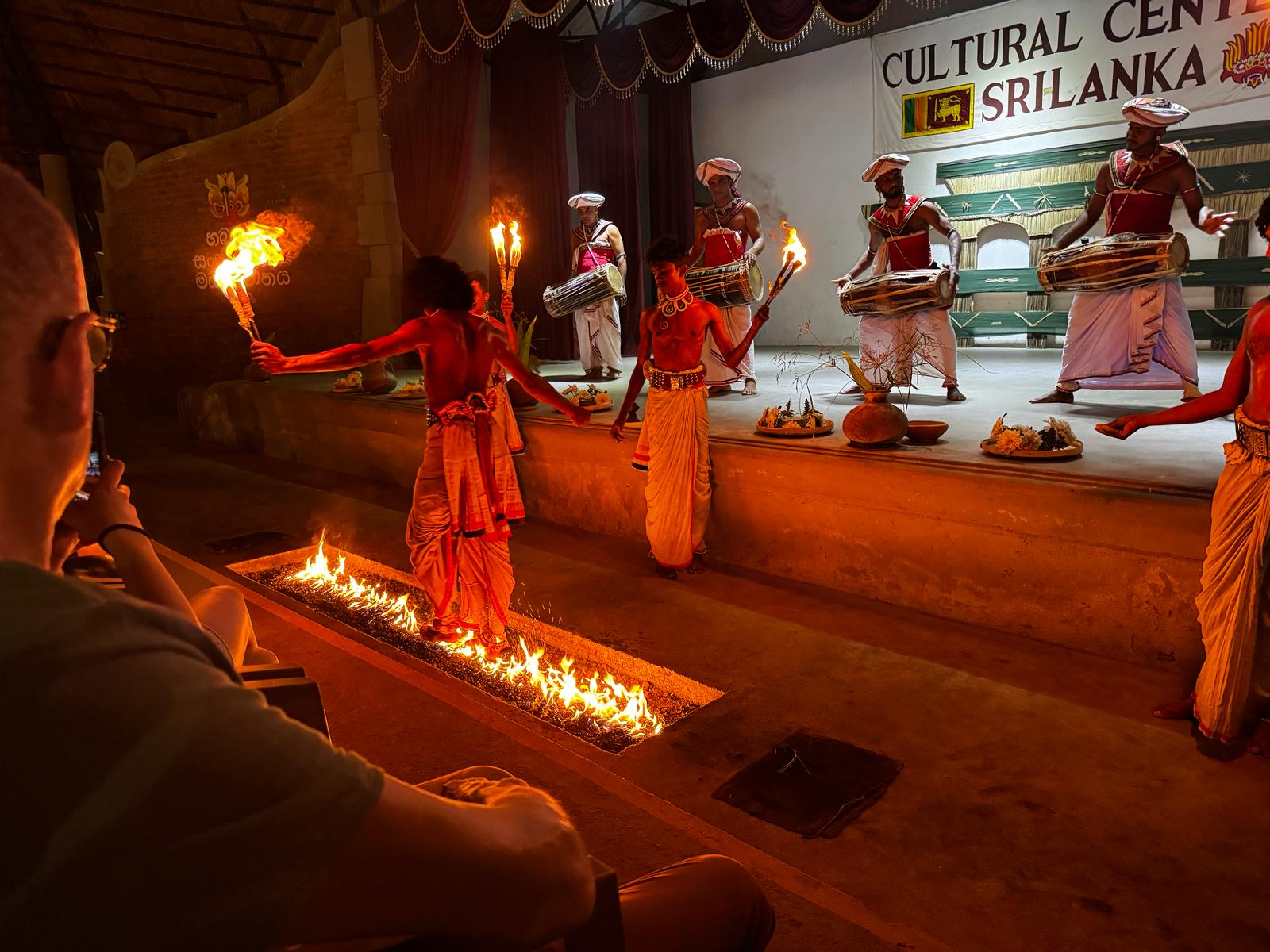
Sri Lanka is a sacred landscape radiating immense spiritual depth and shaped by centuries of Buddhist tradition, ancient kingdoms, and carefully preserved monastic culture. Exploring sacred sites in Sri Lanka offers a quiet depth, where faith is expressed through simplicity, discipline, and continuity.
Cultural Triangle: This lies at the heart of Sri Lanka, where spiritual devotion and history unfold through monumental cities and enduring rituals. It includes cities like Anuradhapura and Polonnaruwa.
- Anuradhapura – One of the oldest continuously inhabited cities in the world, this stands as a cornerstone of Sri Lankan Buddhism. Home to sacred stupas, monastic ruins, and the Sri Maha Bodhi, believed to have grown from a sapling of the original Bodhi Tree, the city remains an active pilgrimage center.
- Polonnaruwa – With well-preserved monasteries, statues, and temple complexes that reveal the evolution of Buddhist practice across centuries, this place is a reflection of the later phase of spiritual and architectural refinement.
Dambulla Cave Temple: UNESCO World Heritage Site that offers a striking contrast through its rock-cut sanctuaries adorned with painted ceilings and hundreds of Buddha images. Still functioning as a place of worship, the caves demonstrate how sacred spaces were adapted to the natural landscapes, blending devotion with the unique artistry of Sri Lanka.
For those seeking experiential spirituality, Nilambe, near Kandy, represents Sri Lanka’s living retreat tradition. Known for its Vipassana practice, it welcomes practitioners from around the world, emphasizing discipline, mindfulness, and simplicity.
In Sri Lanka, the sacred sites reflect a spiritual culture grounded in history yet alive in daily practice, inviting visitors to explore not only ancient monuments but also enduring paths of inner reflection.
Tibet: Spiritual High Ground
Tibet, also called the “Roof of the World,” is a sacred landscape defined by high-altitude plateaus, monastic centers, and a form of Buddhism gracefully combined with ritual, philosophy, and devotion. Shaped by Tibetan Buddhism, this region holds some of the most symbolically powerful religious sites in Asia. Exploring sacred sites in Tibet offers insight into a spiritual culture where faith is practiced through study, meditation, and communal ritual.
Potala Palace: In Lhasa, this site stands as the most recognizable symbol of Tibetan spirituality and governance. It was once the winter residence of the Dalai Lama; now it houses chapels, stupas, and sacred scriptures that reflect Tibet’s religious and political history. This is the perfect place to visit for those seeking great architectural scale and spiritual significance.
Jokhang Temple: Situated at the heart of Lhasa, this site is regarded as the most sacred temple in Tibetan Buddhism. It was built in the 7th century, still remaining a focal point for pilgrimage, with devotees performing ritual prostrations around its sacred corridors. This temple represents devotional practice in Tibetan spiritual life.
Tashilhunpo Monastery: Further west in Shigatse, this monastery is the traditional seat of the Panchen Lama. It is known for its scholarly tradition and monumental Maitreya Buddha statue and represents Tibet’s emphasis on learning and monastic discipline.
Sera Monastery: This place is popular for its dynamic philosophical debates conducted by monks in open courtyards. These daily debates reflect a distinctive approach to spiritual inquiry, where logic and dialogue are the most important for religious understanding.
In Tibet, spirituality is not just observed; it is practiced in daily life through devotion, education, and pilgrimage, offering visitors a profound glimpse into one of Asia’s most distinctive religious cultures.
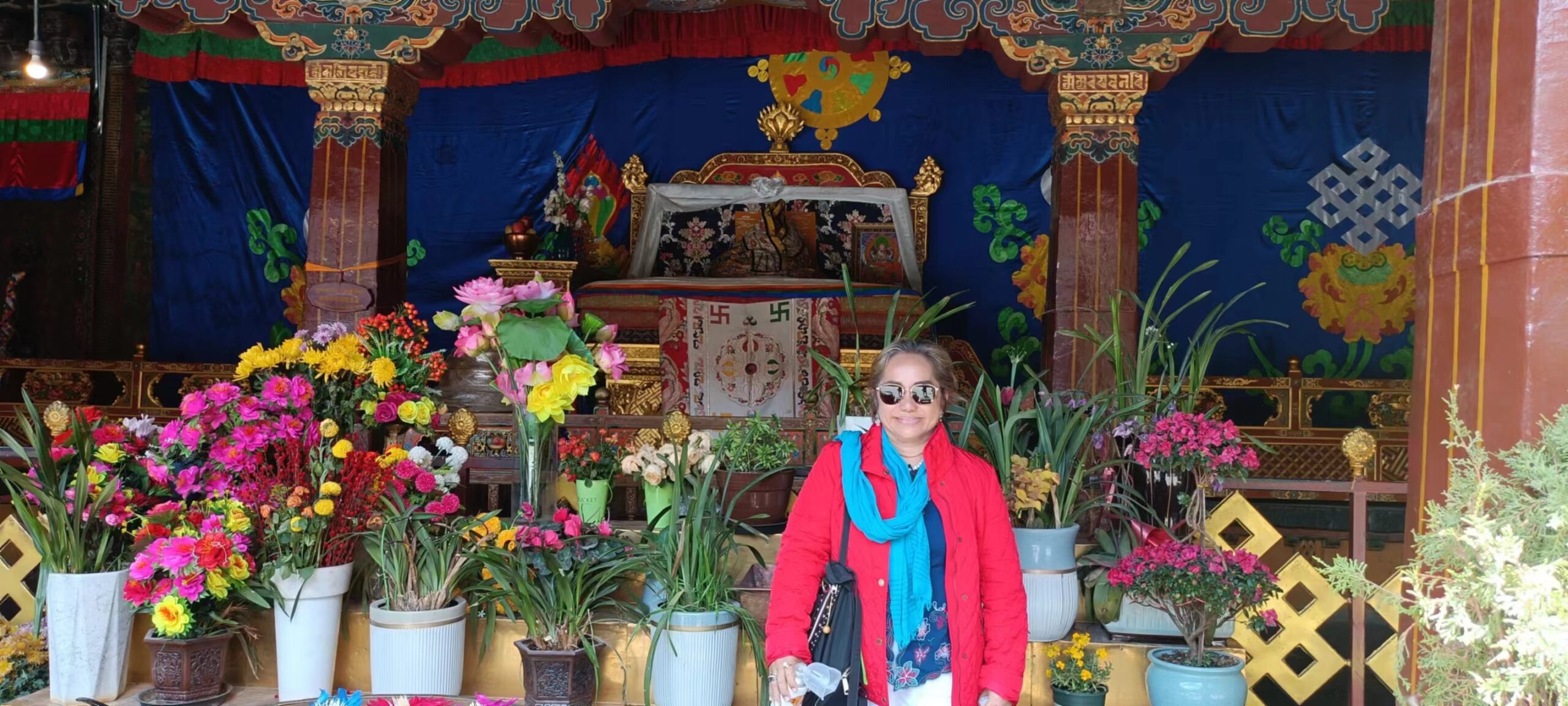
China: Tao, Temples & Tranquility
China is a huge country with sacred landscapes that reflect a long history of spiritual pluralism, where Buddhism, Taoism, and Confucian philosophy have shaped religious practice for centuries. Temples, monasteries, and sacred mountains form a spiritual network that focuses on maintaining balance, discipline, and harmony with nature. Exploring sacred sites in China shows you how philosophy and spirituality are often expressed through movement, ritual, and the natural world.
Shaolin Monastery: Located on Mount Song, this is one of the most influential Buddhist monasteries in East Asia. Chan (Zen) Buddhism and traditional martial arts are known to have been born here. Shaolin represents a union of physical discipline and spiritual cultivation. Its legacy continues through monastic practice, meditation, and cultural preservation.
Mount Emei and Mount Wutai: These are two of China’s Four Sacred Buddhist Mountains, holding exceptional religious significance. Mount Emei is associated with Buddhism and is held in great importance as a place of enlightenment and pilgrimage, where monasteries are built into beautiful mist-covered forests. Mount Wutai is considered the earthly abode of the Bodhisattva Manjushri and one of the most important Buddhist pilgrimage sites in China.
White Cloud Temple: Located in Beijing, this sanctuary stands as one of the most important Taoist temples in the country. This serves as a center for Taoist practice and learning and reflects China’s indigenous spiritual tradition, emphasizing simplicity, longevity, and alignment with natural forces.
Across China, sacred sites represent a spiritual heritage shaped by philosophy, landscape, and disciplined practice. Visitors can feel their understanding grow as they get to know how faith has evolved and endured across Chinese civilization.
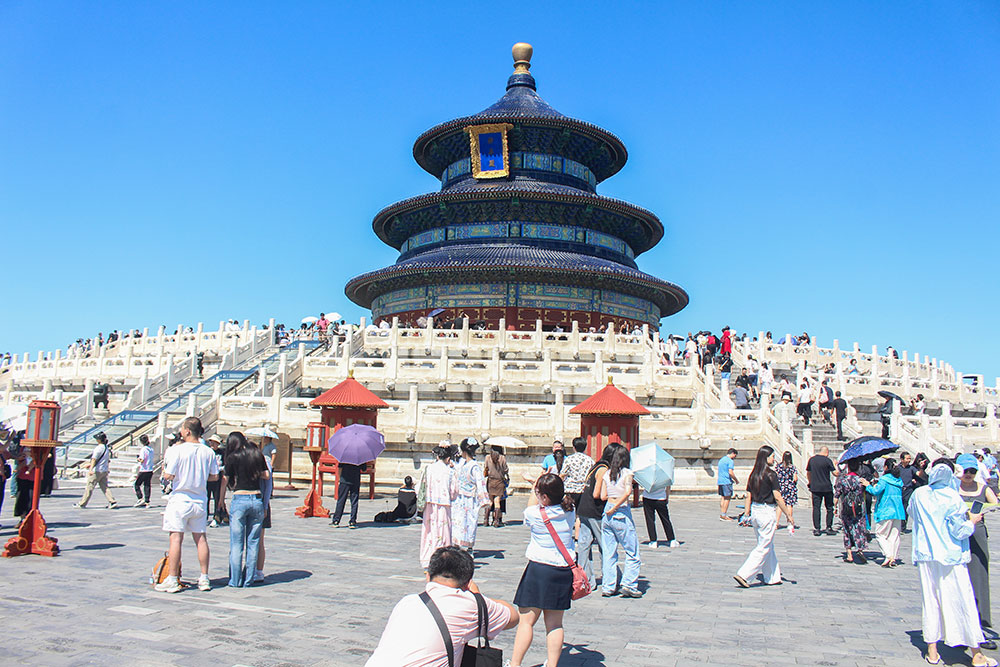
Thailand: The Heart of Theravada Buddhism
Thailand is known for its spiritual identity, deeply rooted in Theravada Buddhism. From urban sanctuaries to forest monasteries, the country offers a wide spectrum of sacred spaces that welcome both devotees and international visitors. Exploring sacred sites in Thailand reveals a tradition centered on mindfulness, simplicity, and lived practice.
Wat Pho: It stands as one of Thailand’s oldest temples, located in the heart of Bangkok. It is famous for its Reclining Buddha and its role in preserving traditional Thai medicine and massages. It reflects Buddhism as a practical philosophy seeping into the daily lives of the people.
Wat Phra That Doi Suthep: Rising above Chiang Mai, this sacred space holds special significance as a pilgrimage site overlooking northern Thailand. According to tradition, its location was chosen by a sacred relic, and today it remains a place of prayer, reflection, and panoramic views that reinforce the connection between spirituality and landscape. During sunrise, visitors can enjoy a spiritual experience with a beautiful orange background.
Meditation centers: These follow the authentic Thai Tradition and welcome English-speaking monks and lay visitors. Meditation retreats like Wat Suan Mokkh or Wat Pah Nanachat offer structured insight into Theravāda teachings and emphasize discipline, meditation, communal living and effective Vipassana practice.
These sacred sites in Thailand highlight a living spiritual culture that combines rituals, meditation, and discipline. Thailand invites visitors to engage with Buddhism as a practiced and shared way of life.
Across Asia’s Sacred Sites and Spiritual Spaces
Across sacred sites in Asia, from mountain monasteries in Bhutan to forest temples in Thailand, spiritual spaces serve a common purpose reflection and continuity. These locations are not only places of worship but also centers of learning, meditation, and cultural preservation. Visitors do not need religious affiliation to appreciate their historical significance, architectural value, and ongoing role in daily spiritual practice.
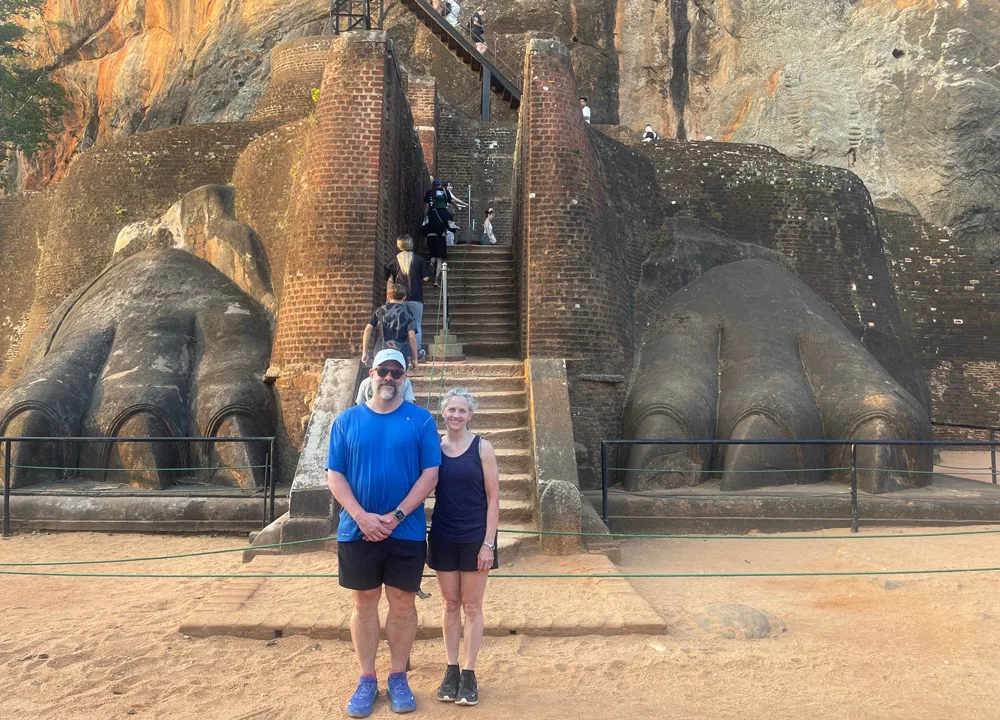
Sri Lanka India Bhutan Nepal Tour 25 Days
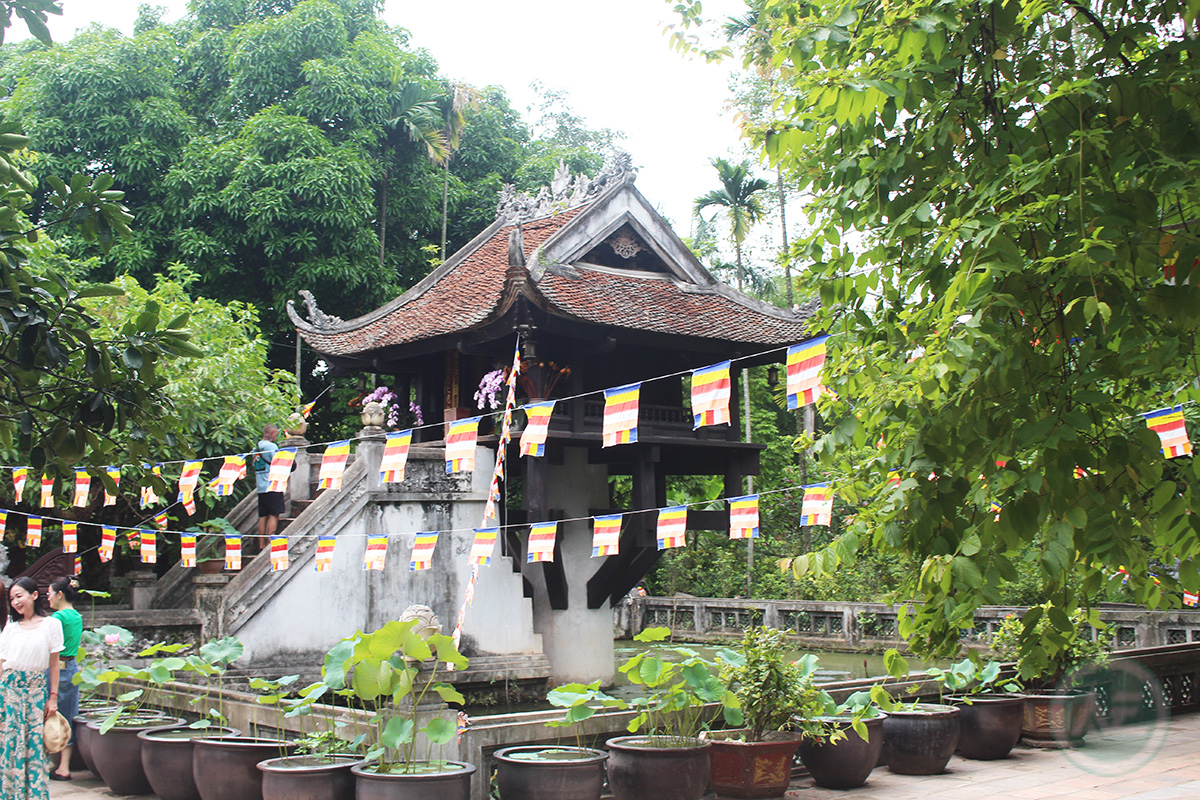
Vietnam Cambodia Thailand Nepal Tour 16 Days
Cambodia Laos Nepal and Bhutan Tours 18 Days
Bangladesh Bhutan Nepal Tibet Tour 17 Days
In contrast to fast-paced modern travel, temples, monasteries, and meditation retreats across Asia encourage a more intentional experience of life. Many of these sacred sites are still active and supported by the religious communities and long-standing traditions. Travelers interested in cultural depth, spiritual heritage, or mindful travel, these sacred spaces offer structured environments for observation, participation, and quiet reflection, making them meaningful destinations beyond sightseeing.
Why Sacred Places Matter
Sacred sites are more than architectural landmarks. They are the active centers of worship, learning and community life, shaped by long-standing religious practices and cultural traditions. Many of these places continue to play an important role in the daily spiritual lives of local communities.
Visiting sacred sites in Asia offers practical and meaningful benefits, including:
- A clear understanding of regional religious traditions and cultural history.
- Opportunities for peaceful reflection away from daily distractions.
- Access to serene environments, often located in historically or naturally significant settings.
Travelling with Respect: Guidelines for Visiting Sacred Sites
Visiting sacred sites in Asia requires cultural awareness and respect for local traditions. Following basic etiquette in these sites helps preserve their spiritual atmosphere and supports positive interactions with local communities.
When visiting temples, monasteries, and religious landmarks, keep these guidelines in mind:
- Learn about local customs, dress codes and visiting rules in advance.
- Take permission before taking photos, especially during ceremonies or prayer.
- Support local communities by hiring local guides or purchasing from locally owned businesses.
- Maintain respectful behavior by speaking quietly and following site-specific instructions.
- This approach helps travelers engage responsibly while ensuring these sacred spaces remain welcoming and preserved for future visitors.
A Meaningful Journey through Sacred Sites in Asia
Exploring sacred sites in Asia isn’t just traditional sightseeing, as it offers a beautiful insight into local cultures, religious traditions, and long-standing spiritual practices. These destinations provide opportunities to learn about interesting histories, observe living traditions, and experience environments that encourage mindfulness and reflection.
Whether experiencing a temple visit, touring a monastery, or spending time in a meditation retreat, these moments often leave a lasting impression on visitors. For many travelers, visiting sacred sites in Asia can be a meaningful way to gain perspective, deepen cultural understanding, and return home with a greater appreciation for spiritual heritage and customs across the region.
Our most popular multinational tours include: Nepal, Tibet and Bhutan tour, Nepal, Bhutan and Myanmar Tour, Chengdu, Tibet, Nepal and Bhutan Tour. You can explore more of our carefully designed itineraries to experience respectful, authentic travel with knowledgeable guides who offer greater insight, comfort, and connection.
Ready to explore Asia? Let us plan your perfect journey with confidence, with no worries about logistics, safety, and cultural nuances. You only focus on enjoying your trip.
Asia Experiences (A product of Everest Vacation P. Ltd.), specializing in South Asia and Southeast Asia multi-country tours, offers diverse packages for all age groups. We have various options for tour packages for travelers seeking cultural, historical, spiritual, natural, or adventure tour experiences.
There is also flexibility in customizing the itineraries to your preferences. Some of our packages are as follows, which include both South Asia and Southeast Asian destinations:
Nepal Tibet Bhutan Luxury Tour 15 Days
Nepal Tibet Bhutan Tour 14 Days
Nepal Tibet Bhutan Laos Tour 19 Days